From the plastic we use every day to the tiny particles entering our environment, microplastics have become a hidden challenge that calls for smarter choices and a more sustainable way of living.
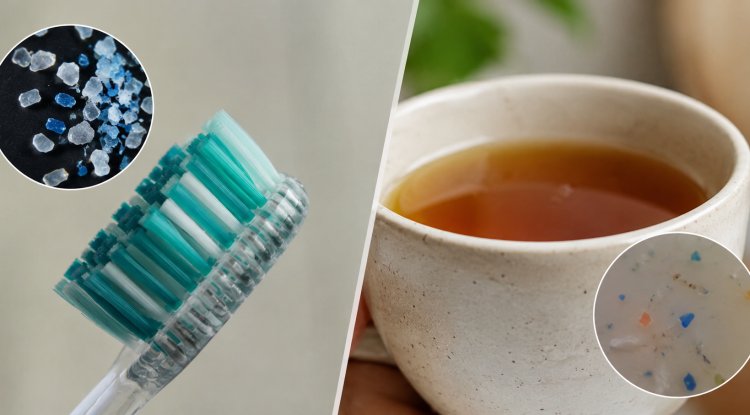
Imagine starting your day with a toothbrush, drinking tea from a disposable cup, storing food in a plastic container or drinking water from a plastic bottle. These are normal activities that millions of people do every day. But behind these simple habits, there is a growing concern that scientists around the world are studying and that is microplastics.
Microplastics are tiny plastic particles that are barely noticeable, but which are increasingly present in the environment all around us. They have been detected in water, in food, in the air and even inside certain parts of the human body. Scientists are just beginning to examine the effects that these substances might have on human beings in the long run, but the growing levels of microplastics present have led to worries about the potential influence on hormones, sexual organs and general health.
Plastic has made human life simpler because it is affordable, lightweight and durable. However, that very property of plastic has resulted in an environmental problem. The substance does not dispose completely, rather it degrades into smaller fragments called microplastics that pollute the environment and enter the human body.
What Are Microplastics and How Do They Enter Our Body?
Microplastics are small plastic particles generally smaller than 5 millimetres. They are created when larger plastic products such as bottles, bags and packaging materials break down due to sunlight, heat and physical damage.
These micro-sized particles can get into the body of the person by various means. Scientists have discovered microplastics in a number of environmental samples, and they study their interaction with the human body.
It is also important to understand that microplastics can transport toxic chemicals in the human body. The chemicals associated with plastics, like phthalates and bisphenols, have a negative impact on the hormonal system of the person.
Microplastics and Women's Health: Growing Concerns Around PCOS
One of the major health concerns among young women today is Polycystic Ovary Syndrome (PCOS), also known as Polycystic Ovarian Disease (PCOD). It is a hormonal condition that affects the functioning of the ovaries.
Basically, PCOS leads to hormonal imbalance, menstrual cycle disturbance, weight gain or loss, pimples, excess hair growth on the face, and issues with fertility. The main causes of PCOS have not been fully established yet. Researchers believe that there are several factors like genes, lifestyle choices, stress, diet, and environment which can cause this syndrome.
During the last few years, scientists have begun investigating if environmental pollutants like microplastics and other chemicals from plastics affect hormones.
There have been some findings where microplastics have been detected in human biological specimens, including breast milk, blood, and reproductive tissues. There is an ongoing process whereby researchers are studying the possible effects of the particles on hormone balance and reproductive health. It is noted that there is no final evidence that the presence of microplastics leads to PCOS.
How Everyday Plastic Items May Increase Exposure
Many people believe that if a plastic item looks damaged or scratched, only the product is affected. However, plastic can slowly release tiny particles during regular use and that is why it is recommended to not to continue using bottles once the water bottle is expired.
For instance, in the case of a plastic toothbrush that is worn, the signs of wear are likely to show that there are small plastic fragments that have come off. In addition, constant use of plastic containers together with hot foods and beverages could be a cause.
Other sources of microplastics are plastic pipes for water distribution, plastic packaging, plastics in cosmetics and even disposable items.
Paper cups are yet another example. Many disposable paper cups that are used for serving tea and coffee are lined internally with a thin plastic film. This lining can cause the emission of plastics when hot drinks come into contact with it.
Methods for Minimising Microplastic Exposure
Complete removal of plastics from our lives in today’s world is not feasible since plastics are used in many different industries. However, reduction in the use of plastics will reduce their exposure in everyday life.
Use Glass and Stainless Steel Instead
The first step is simply to switch from using plastics to other materials such as using glass bottles or stainless-steel bottles as opposed to plastic. It is better to have reusable metal bottles than continuously buying plastic water bottles.
Do Not Heat Foods in Plastic Containers
Leaching of plastic is increased when food items are heated. It is therefore recommended not to heat foods stored in plastic containers.
Reduce Single-Use Plastics
Simple everyday items like plastic straws, plastic cups, cutlery and shopping bags play a big part in plastic pollution.
Use of reusable bags, cups and cutlery helps to avoid use of plastics.
Beware of Disposable Cups
Disposable cups used for carrying tea, coffee and other juices contain plastic linings. It is better for health as well as for environment to use a reusable cup. Pick Goods with Reduced Plastic Packaging Buy products which come in less packaging always. Try to buy fresh produce.
Your Cosmetics Could Also Be Adding to the Microplastic Problem
The use of plastics is not restricted only to packaging. Certain cosmetic products might have some synthetic components made of plastic materials and hence might be responsible for releasing microplastics. Therefore, it is recommended that you read ingredient labels before purchasing any cosmetics.
Ingredients may be included in personal care products including scrubs, makeup, skincare products, and other types of cosmetics for enhancing texture and consistency of those products. Some of these ingredients may be washed away and can be discharged into water bodies thus becoming part of environmental pollution.
Before, there were cosmetic products containing microbeads that were used for providing exfoliating effect including face scrubs, toothpaste, cleansers, etc. These particles could easily pass through sewage systems and end up in oceans or rivers. In view of environmental pollution, several governments have prohibited the usage of microbeads in rinse-off cosmetic products. The FDA prohibited the use of plastic microbeads in some of the cosmetic products according to Microbead-Free Waters Act.
Microbeads are not the only focus of research. There is ongoing work on effects of different artificial polymers and plastic components that are used in cosmetic formulations to enhance their properties. The European Chemicals Agency (ECHA) suggested restricting intentionally added microplastics in many products.
One way to lessen exposure is to examine the label on cosmetic products before making purchases, selecting products that use natural ingredients and environmentally friendly packaging. Even small decisions when choosing personal care products can minimize the presence of plastic in our bodies and environment.
Waste Management Improvement
It is important to properly dispose of and recycle plastic waste because the plastic material once disposed of in the environment will ultimately become microplastic material.
Are Small Changes Important?
The problem of microplastics may seem too large a problem for an individual to influence, but small changes in our daily lives could make a significant difference.
Refusing to use plastic whenever possible, along with becoming more mindful of our plastic consumption, would be ways to reduce plastic presence in the environment.
Whatever goes into nature always comes back to us. All plastic waste that gets into rivers, oceans, and soil comes back in our food chain and water sources.
The Need for More Research and Better Solutions
Scientists from across the globe are making efforts to conduct studies on microplastics and their full effects on human beings. While many aspects still need to be studied, there is no doubt that efforts need to be made to minimize plastic pollution for the sake of the environment and the coming generations.
There are responsibilities for all the stakeholders in this regard including industries, government, and consumers.
Reducing Plastic Today for a Healthier Tomorrow
Microplastics are a reminder that how an environmental challenge could directly impact the lives of people. The plastics currently being used are not just going to vanish; they will continue to exist in small bits and make their way back into our lives through the environment.
Globally, governments have come up with policy measures meant to reduce the consumption of single-use plastic, promote recycling and sustainable alternatives. Companies are also exploring the use of biodegradable materials as well as sustainable packaging options.
Even though scientific research has not been able to prove any effect of microplastics on human health, there are several things that one can do to reduce the consumption of plastics. Not using single-use plastics and going for reusable materials among others can ensure a better environment in the future.
What's Your Reaction?