With global gaming energy use rising, players are encouraged to adopt sustainable practices like using eco modes, avoiding idle power waste, and selecting efficient hardware. These simple changes can lower carbon emissions and reduce electricity costs without affecting gameplay.
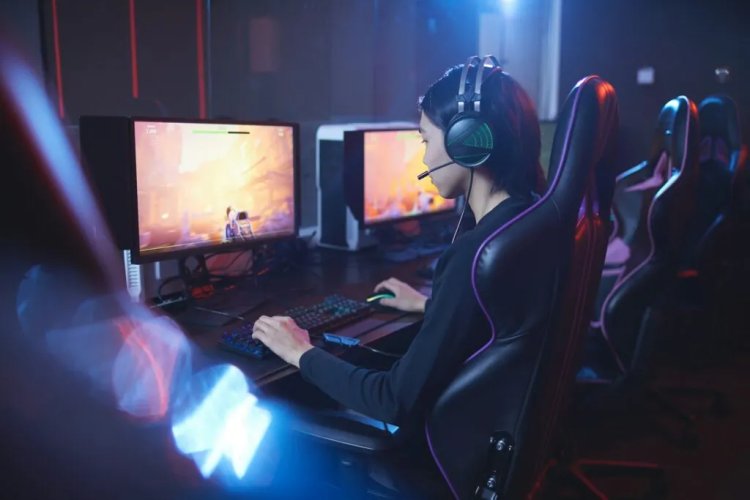
Concerns about the energy usage of video games have surfaced as they become more sophisticated and often played. With high-performance gaming PCs, consoles, and cloud-based platforms all needing a lot of electricity, the worldwide gaming business now uses more electricity than many nations. Since gaming is a significant source of carbon emissions and most of its energy comes from fossil fuels, it is quite important.
The electricity consumed to run gaming systems includes not only the equipment themselves but also the server farms enabling online multiplayer features and streaming services. Cloud gaming, which lets users stream titles instead of downloading them, uses significantly more energy than local play. Streaming games in high resolutions like 4K puts even more strain on energy systems since it needs a lot of server infrastructure and data has to be moved around all the time.
Especially when used with numerous monitors and accessories, a high-end gaming PC can consume as much electricity as several household appliances put together. Standby or rest mode left consols also waste power without need. Although these systems are sometimes left inactive for ease, the total energy waste from millions of homes adds up to a significant amount.
A workable solution is sustainable gaming. Players can cut energy use by making minor tweaks without affecting gameplay. Simple actions like turning on consoles' eco-modes, setting PCs to shut down after periods of inactivity, and lowering screen brightness help to lower power use. Over time, these modifications may save a significant quantity of energy even if they sometimes have little bearing on performance.
Hardware selection is yet another important consideration. Top-tier components such as sophisticated graphics cards deliver great performance, but they are sometimes more than is required for simple or even somewhat demanding games. Selecting equipment with great performance-per-watt efficiency, going for OLED or LED panels, and thinking about laptops for games with minimal needs can help to cut down on power consumption quite a lot. These less energy-intensive options nonetheless enable fun gaming experiences.
Controlling internet activity is additionally vital. While not all games need it, a lot of them now depend on continuous connection. Limiting pointless data activity and network infrastructure's energy consumption is achieved by disconnecting from the internet when it is not required, stopping automatic downloads, and turning off background updates. For single-player activities, downloading the game rather than streaming can help to lower the total carbon footprint.
The kind of games you play can also matter. In general, indie games, mobile games, or browser-based games need less computing capability than big-budget, graphic-heavy releases. They are more energy-efficient and typically operate on simple equipment. Though they demand less on hardware and energy, these titles nonetheless provide interesting gaming.
Some big gaming companies have said they know they affect the environment and are working to make their energy use more efficient. Microsoft has set goals for its Xbox unit to be carbon neutral in the next years, and Sony has added energy-saving features into its PlayStation consoles. Software optimisations are also being worked on by game makers to guarantee more seamless performance on less capable gear.
Individual players can still have a quick and significant influence even with all the work being done in the business. Simple routines can help households with several gamers significantly lower their electricity bills. Good approaches are sharing gaming areas to lower device redundancy, teaching younger gamers about energy-saving techniques, and totally turning off consoles when not in use.
Parents especially can help to encourage sustainable gaming among their children. Restricting screen time with parental controls, motivating breaks, and choosing games that work effectively on tablets and other low-power devices will help to control home energy consumption. Making sustainability a common responsibility—such as via energy-saving challenges—will transform these actions into a family pastime.
Reducing pointless energy use in daily activities becomes more important as climate problems get worse and energy prices keep going up. As a common and expanding hobby, gaming offers a major field whereby gains in efficiency are feasible. The aim is not to stop people from playing, but rather to make sure it is done in a way that is both safe and sustainable.
Improving game arrangements need not entail significant expenditures. Long-term savings and reduced environmental effect can result from little actions like using power-saving options, selecting suitable equipment, and repurposing old gadgets. As the gaming business develops, these small decisions might help to drive broader movements toward sustainability.
What's Your Reaction?