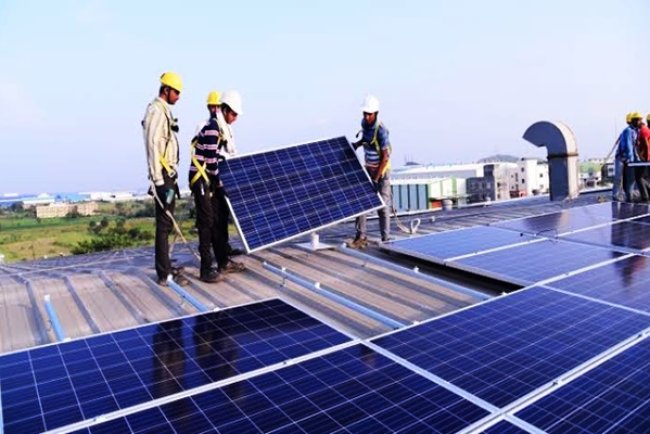
Authorities in Ghaziabad have made rooftop solar panels and rainwater harvesting systems mandatory for new residential buildings to promote clean energy and water conservation.
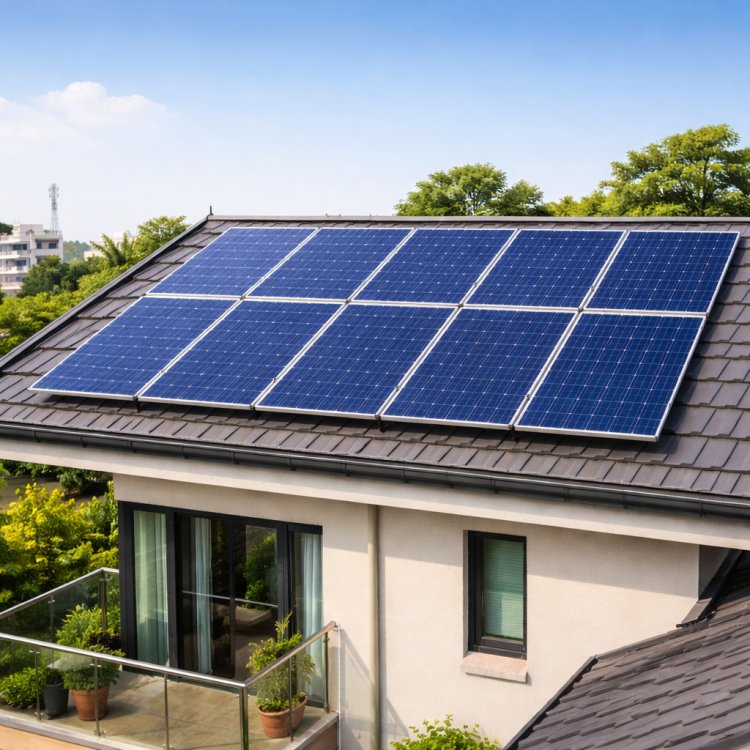
According to the authorities of Ghaziabad, It has become compulsory to incorporate solar panel systems on rooftops and rainwater collection systems on newly constructed houses as part of their initiative towards sustainable development. The requirements for solar panels and rainwater collection systems are tied to the approval of new building plans and will ensure that no new house can obtain a permit to build without a set of plans specifically designed with these features.
New rule for residential buildings
According to the officials,the directive stipulates that developers and homeowners are required to install solar roof systems and rainwater harvesting systems during the construction of new houses. Various municipal bodies including municipal corporations, municipal councils, and nagar panchayats may adopt the rule by way of board resolutions before implementing the rule locally.
Aim: clean energy and water conservation
This program intends to increase the alternative energy utilisation in residential areas, improve water resource management, and provide solar panels on rooftops for residents to generate on-site electricity; and harvest rainwater through collecting systems, which would recharge our groundwater sources and reduce the amount of pressure that we are putting on our existing water supplies.
Solar energy growing in Uttar Pradesh
According to officials, the availability of rooftop solar technology has rapidly advanced in the state of Uttar Pradesh. At present, Uttar Pradesh has approximately 1,440 MW of capacity for rooftop solar power, which generates an excess of 6 million units of electricity. By reducing reliance on fossil fuels and lowering air pollution, as well as saving homeowners money on their electric bills, the use of solar energy is beneficial in many ways.
Possible model for other districts
The government believes the Ghaziabad initiative will serve as a prototype for other districts throughout the state of Uttar Pradesh, provided that similar policies can be implemented in urban and semi-urban zones. Thus, if rooftop solar installation and rainwater harvesting systems were rolled out in mass across all urban and semi-urban locations, urban centres would have the opportunity of using these systems to facilitate a transition towards more sustainable energy sources and superior water management solutions.
Ultimately, the ultimate result will provide sustainable housing for all of world, reduce electricity bills for residents of urban areas, and enhance groundwater recharge capability in growing cities & towns throughout the area.
What's Your Reaction?