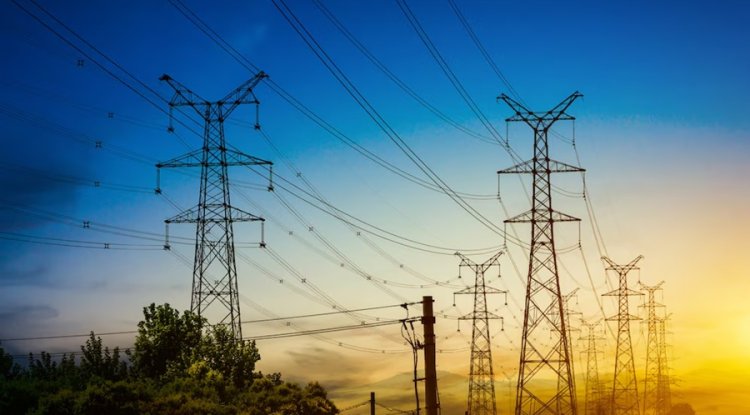
Global renewable energy capacity rose to 5,149 GW in 2025, driven by solar and wind expansion, highlighting energy security shifts amid geopolitical tensions.
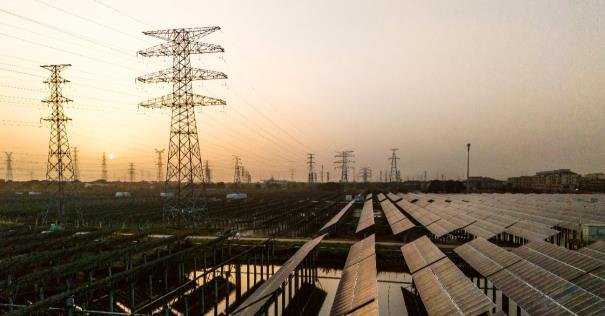
Renewable energy capacity worldwide increased to 5,149 gigawatts (GW) in 2025, after adding 692 GW during the year, as per the latest findings from the International Renewable Energy Agency. This represents an increase of 15.5% from the previous year, with renewables representing 85.6% of total energy capacity growth.
This was revealed in the recently released Renewable Capacity Statistics 2026, while geopolitical instabilities and interruptions to the supply chain of fossil fuels are on the rise. It seems that nations are exploring the use of indigenous renewable energy sources as a means of minimizing their dependency on unpredictable international energy markets.
Solar power emerged as the mainstay of the growth drive, making up 511 GW of the total capacity installed, constituting almost 73% of new renewable energy capacity in 2025. Wind power came second, with a capacity of 159 GW, thus accounting for 96.8% of the total renewable energy capacity installed in the year under discussion.
Other renewable energy sources experienced minor increments. There was an increment of bioenergy of 3.4 GW, while hydropower increased by 18.4 GW, primarily due to China. The capacity for geothermal energy grew marginally to 0.3 GW, with inputs from countries such as Indonesia and the Philippines.
There are notable differences among regions in terms of installed capacity. Asia was dominant in the world's additions, with 74.2 percent representing 513.3 GW of new capacities, which makes it the leading renewable energy market, with total capacity standing at 2,891 GW. Europe follows with a total capacity of 934 GW.
Africa had its highest annual addition, having added 15.9 percent, which represents 11.3 GW of new capacity, mainly attributable to Ethiopia, South Africa, and Egypt. The Middle East also had significant growth, increasing by 28.9 percent, primarily due to Saudi Arabia. However, Central America and the Caribbean were the least contributors, with a total capacity of 21 GW.
The study demonstrates that states making investments in renewable energy sources are more resilient to any kind of economic crisis from an outside source. Decentralized and locally based energy sources are viewed as more resistant to market variations related to fuel prices and disruptions in their supply chains.
In spite of unprecedented growth in the use of renewables, the uneven development across various geographic locations remains a serious issue.
What's Your Reaction?