Google partners with Cypress Creek on the largest U.S. solar and battery project to expand carbon-free energy.
Google has just unveiled a massive clean energy partnership with renewable energy developer Cypress Creek Energy, marking one of the biggest investments in solar power, battery storage, renewable energy, Google clean energy and the U.S. clean energy project space. The agreement calls for Google to be the anchor investor and the main offtaker at the Steel River Energy Center in Arkansas, where it will purchase 100% of the energy produced in the first stages through a long-term power purchase agreement (PPA). The agreement is Google's biggest solar and energy storage contract yet, and spearheads the trend of companies buying renewable power to meet greater demand.
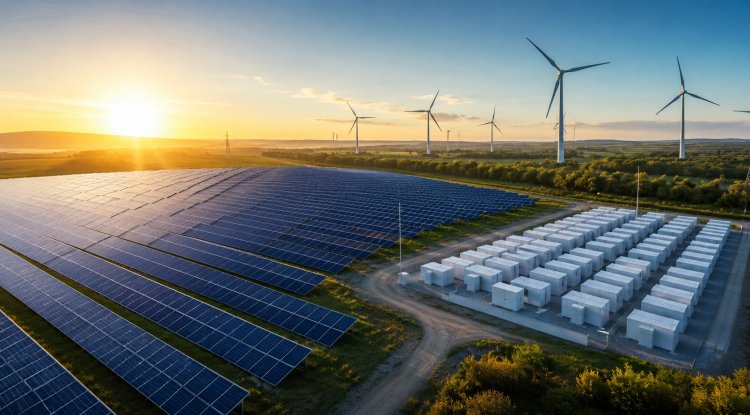
When finished, the Solar Steel River Energy Center will be the largest solar plant in the United States. The project is situated in Mississippi County, Arkansas, and integrates utility-scale solar power generation with innovative battery storage solutions, allowing solar power to be stored and delivered when demand peaks. The deal underscores the growing significance of the large-scale clean energy infrastructure, as technology firms scale up their data center footprint and work towards their long-term climate and emissions reduction targets.
Helping to meet increasing energy needs.
As Google's network of data centers continues to expand around the world, they have been putting a greater emphasis on renewable energy purchases over the last few years. The company's latest Environmental Report states that for electricity use across its operations, there was a 37% increase in usage, which is the largest annual increase that the company has recorded to date. In the face of this increase in electricity usage, Google has said its Scope 1 and Scope 2 GHG emissions have decreased by 2% and, in a major reason for that, it has been able to leverage on its growing number of clean energy deals.
Renewable energy procurement continues to be an important way of lowering the carbon intensity of the company's operations, the company has said. Google's move to long-term power purchase agreements is an effort to make sure that, as Google grows its electricity use, it will not be relying on fossil fuels for electricity generation.
The rise of AI brings new climate challenges.AI Expansion brings new climate challenges.
Google has made strides in the emissions it directly controls, but the company admits emissions from its value chain overall are still increasing. The growth of AI infrastructure and the need for more data centers and computing power requires more electricity.
Google said that it has become even harder to reach its long-term goal of running 24 hours a day on carbon-free energy, since energy consumption from AI is outpacing the decarbonisation of the electricity grid. This has driven the company to seek out larger renewable energy projects, capable of providing significant carbon free power for significant durations.
Steel River Project's Solar + Storage energy system.The Solar + Storage energy system developed for the Steel River Project.
The Steel River Energy Center is conceived to be a large-scale integrated solar and battery storage plant. The deal will give Google access to electricity from the first two phases of the project, which will provide about 1.6 gigawatts (GWdc) of solar power generation and 1.9 gigawatt-hours (GWh) of battery storage on the regional electricity grid.
A third development phase has been planned, and is expected to be complete by 2029. When complete, the project will have 2.5 GWdc of solar generation and 2.9 GWh of battery storage, and will be the largest solar project in the country.
The addition of battery storage to utility-scale solar generation will enhance grid reliability by storing the electricity generated in the day and delivering it when demand is greater or solar generation is lower, Google officials said.
Domestic Manufacture and Regional Investment
The project has been described as a focus on supporting the development of local industry and regional economies by Cypress Creek Energy. The firm just closed a $3.5 billion financing round to support the construction and operation of the first two phases.
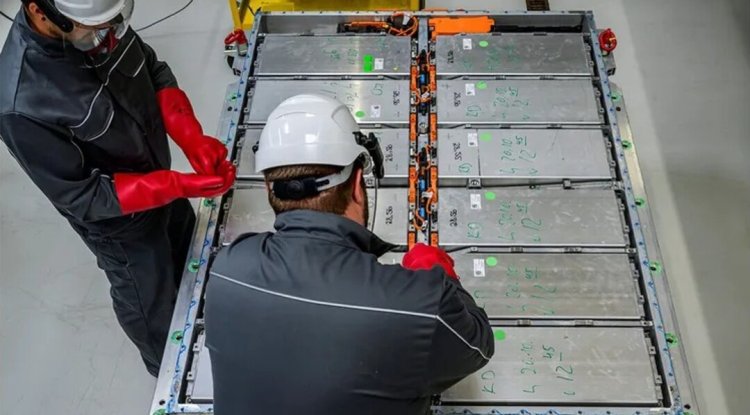
The developer says that a majority of the structural steel for the project will be from Mississippi County in Arkansas. The plant will also employ 100% U.S.-made solar modules, batteries will be made in North America, mostly at U.S.-based manufacturing plants.
The project highlights that it is possible to source and build large-scale renewable energy projects through local supply chains, and boost the existing manufacturing and employment bases, company executives said.
Community Support Commitments
In tandem with the energy deal, Google and Cypress Creek announced $8 million in investments to support the community. Google will make a $5 million donation to programs aimed at making energy more affordable for Arkansas residents and help K-12 schools. Through its community investment program, Cypress Creek will contribute an additional $3 million to the development initiatives in the communities.
The money will be used to guarantee that local communities on the site of the project benefit from the renewable energy infrastructure in an immediate way, economically and socially.
Scaling Up Corporate REP
As technology companies seek to satisfy the increasing demand for electricity, the deal at Steel River Energy Center is a sign of their increasing investment in utility-scale renewable energy projects to lower the emissions they would otherwise produce while generating power. With the continued growth of AI usage and the digital infrastructure, corporate demand for dependable carbon free electricity is likely to continue to be a notable motivator for massive renewable investments.
The Arkansas project is one of the biggest clean energy initiatives announced this year in the U.S. renewable energy market, and reflects the growing emergence of corporate partnerships to drive the nation's transition to a lower carbon electricity system.
What's Your Reaction?