Himachal Floods Cause Major Losses
Himachal floods, monsoon 2025, cloudbursts, landslides, Mandi floods, Kangra disaster, climate change, rescue operations, infrastructure damage, disaster relief Himachal Pradesh faces deadly monsoon floods and landslides since June 20, 2025, killing at least 78 and causing ₹572 crore in damages. Disrupted infrastructure, climate-driven rainfall, and rescue challenges highlight urgent need for sustainable planning.
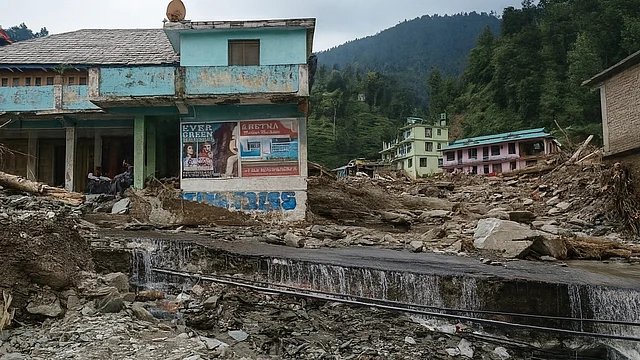
Himachal Pradesh is reeling from devastating floods and landslides caused by heavy monsoon rains, resulting in significant loss of life and economic damage. Rescue operations are ongoing as the state grapples with disrupted infrastructure and displaced communities.
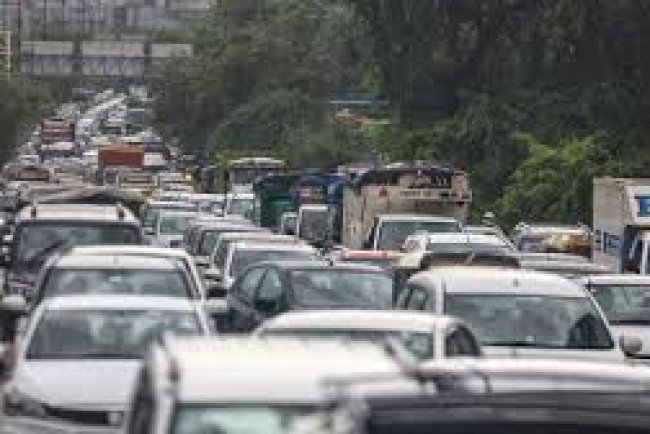
Since June 20, 2025, cloudbursts and flash floods have killed at least 78 people, with many still missing, particularly in Mandi and Kangra districts. The State Emergency Operation Centre reports losses of ₹572 crore, affecting homes, roads, bridges, and utilities. Over 500 roads remain closed, and nearly 700 drinking water schemes and 500 power transformers are non-functional, severely impacting access to basic services. Mandi reported 17 deaths, with 31 people missing, while Kangra recorded 11 fatalities. Rescue efforts involve 250 personnel from the National Disaster Response Force (NDRF), State Disaster Response Force (SDRF), Army, and local authorities, supported by drones and sniffer dogs.
The floods have destroyed 204 houses, 84 shops, and numerous livestock shelters, with public infrastructure bearing the brunt of the damage. The India Meteorological Department (IMD) has issued a red alert for heavy rainfall until July 7, warning of further landslides and flash floods. Climate change is exacerbating these events, with intensified rainfall and fragile mountain ecosystems worsened by unplanned construction and hydropower projects. Environmental experts note that deforestation and soil dumping near project sites obstruct water flows, amplifying flood risks.
The state government has provided ₹12.44 lakh in immediate aid, distributed 1,538 ration kits, and announced ₹5,000 monthly rental assistance for displaced families. The central government has pledged support, with additional NDRF teams deployed. However, damaged roads and communication networks hinder relief efforts, and the lack of a cloudburst-prone map limits preparedness. The state’s reliance on hydropower, with projects like Malana and Parbati-II linked to past flood damage, raises questions about sustainable development.
Recovery will require rebuilding infrastructure and addressing systemic issues like unregulated construction. Investments in early-warning systems and climate-resilient planning are critical to mitigate future disasters. Himachal’s plight highlights the urgent need for balanced development in vulnerable regions.
Source: Outlook Business
What's Your Reaction?