


A Himalayan startup, Pragya, is addressing water scarcity by revitalizing natural springs and implementing sustainable water management practices, combining traditional knowledge with scientific methods to support mountain communities.
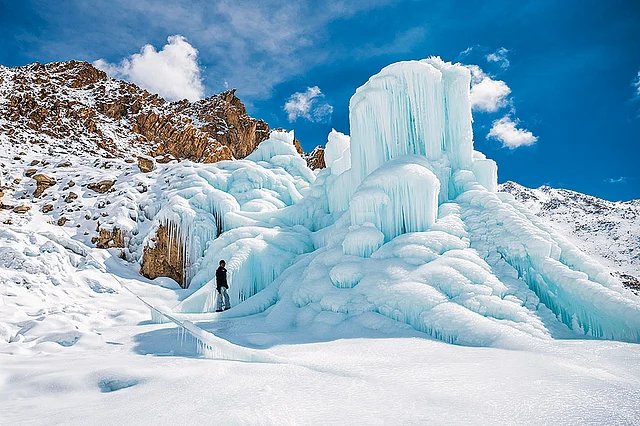
The Himalayan region is facing a significant water crisis, with nearly 45% of its springs drying up over the past four decades due to rising temperatures and changing precipitation patterns . This decline threatens the livelihoods of mountain communities who rely heavily on these water sources for drinking, agriculture, and daily needs. Amidst this challenge, a startup has emerged, focusing on sustainable, nature-based solutions to restore water availability in these remote areas.
The startup, Pragya, established in 1995, operates in the high-altitude regions of the Himalayas, including parts of India and Nepal . Recognizing the urgency of the water crisis, Pragya has implemented various projects aimed at revitalizing natural springs and improving water management practices.
One of their key initiatives involves the adaptation of traditional knowledge with scientific methods to rejuvenate dried-up springs. By constructing water storage structures and implementing filtration systems, they have enhanced access to safe drinking water in several villages. These efforts not only address immediate water needs but also contribute to long-term sustainability by involving local communities in the maintenance and replication of these systems.
In addition to water management, Pragya has focused on renewable energy solutions to support these remote communities. They have established decentralized renewable energy applications, including solar-wind hybrid systems, to provide electricity to villages that previously lacked access . This integration of energy solutions further supports water conservation efforts by powering water pumps and filtration units.
The organization's approach aligns with broader calls for nature-based solutions in the Himalayas. Experts emphasize the importance of socially inclusive and science-based management of springs to build resilience against climate change . By engaging local communities and incorporating traditional ecological knowledge, Pragya's initiatives serve as a model for sustainable development in the region.
Conclusion
The water scarcity in the Himalayas poses a significant threat to the well-being of mountain communities. However, initiatives like those undertaken by Pragya demonstrate the potential of combining traditional knowledge with scientific innovation to address this crisis. Through community engagement and sustainable practices, such efforts offer a pathway to restore water sources and ensure the resilience of these communities in the face of environmental challenges.
What's Your Reaction?

















