H&M has reduced its Scope 3 emissions by around 30% since 2019, targeting supply chain changes and renewable energy. Here’s what it means and why it matters.
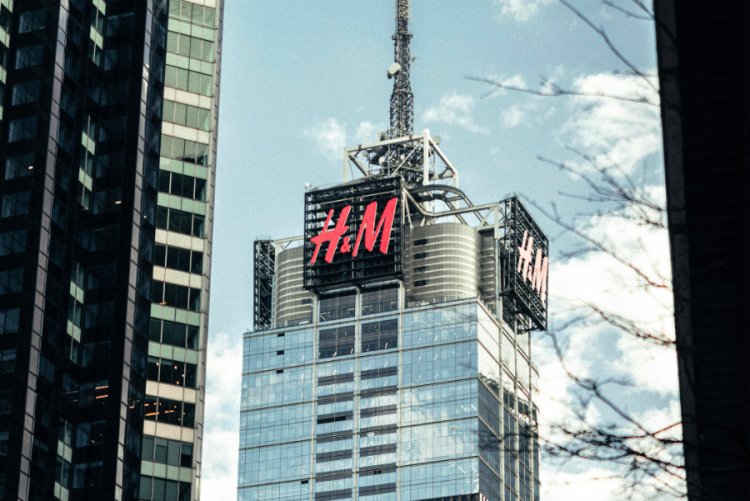
The fast fashion major H&M Group reported a cut in its Scope 3 greenhouse gas emissions of more than a third compared to 2019 figures. According to H&M Group’s latest report, it has cut its Scope 3 greenhouse gas emissions by 30%, putting it on course to meet its ambitious target of reducing its Scope 3 greenhouse gas emissions by 56% by 2030.
What are Scope 3 Emissions?
Scope 3 Emissions refer to those greenhouse gas emissions that are not directly under an organization’s control. Scope 3 Emissions include textile production, dyeing, manufacturing, and logistics in the case of fashion companies like H&M Group.
Where the cuts are coming from
The reduction reported by H&M is based on changes within its supply chain, not its retail or office operations. The key changes made by the company include transitioning to long-term partnerships with suppliers, using renewable electricity sources within factories, and improving the efficiency of energy consumption during the manufacturing process.
Another strategy by H&M is to eliminate the use of coal during the manufacturing process. For instance, between 2022 and 2024, the number of coal-powered boilers within key tiers of suppliers significantly reduced, indicating the adoption of alternative energy sources.
The other strategy is to work with suppliers to establish emission targets while using cleaner technologies. This is aimed at reducing emissions at their source, especially during energy-intensive processes such as dyeing or finishing fabrics.
Why this matters
The fashion retail industry is responsible for significant emissions, with the supply chain being responsible for the majority. The achievement by H&M indicates that the focus is transitioning from company operations to supply chains.
However, it is not easy to achieve emissions reduction, especially considering that it requires coordination across different countries. In addition, other experts have pointed out that emissions reduction while growing production will limit future climate gains.
What comes next
H&M’s current progress is consistent with its ambition to reduce its total emissions by 56% by 2030, following a 1.5°C climate pathway.
What comes next will depend on scaling up renewable energy, materials sourcing, and product lifecycles, all of which remain challenging for fast fashion business models.
What's Your Reaction?