Coca-Cola will change its bottle labelling across Europe after a greenwashing complaint, clarifying that only the body of its plastic bottles is made from 100% recycled material. The move follows pressure from BEUC and other consumer organisations.
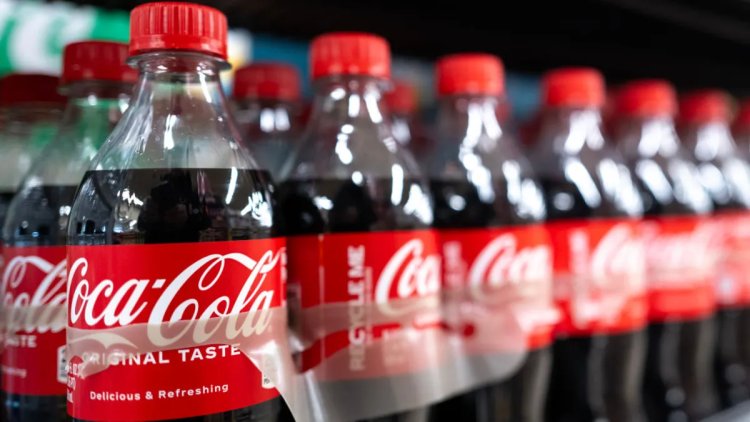
The Coca-Cola Company voluntarily altered the labelling on certain of its plastic bottles following a complaint of greenwashing lodged by the European Consumer Organisation (BEUC) and cooperation associations in 13 nations. The global beverages company will henceforth be clear that its "100% recycled plastic" language is only applied to the body of the bottle, not the cap or label.
This move is a follow-up to November 2023 incidents in which BEUC charged large beverage corporations — among them Coca-Cola, Danone, and Nestlé — with false environmental assertions. The European Commission recently issued a follow-up indicating that Coca-Cola will add disclaimers to their packaging materials to make them more realistic. The action is a step towards harmonizing the company's advertising to the EU law of consumer protection against unfair commercial practices.
Aside from recycling plastic logo rebranding, Coca-Cola has committed to phasing out environmental graphics like closed-loop recycling images. Such images had been the focus of the complaint for being deceptive as they projected an image of environmental neutrality that is not in harmony with the capability of available recycling systems. The revised labelling will also change the call to action by deleting the word "again" from "Recycle me again" to make it "Recycle me". This is done in order to prevent ambiguity regarding the recyclability of different parts of the package.
In making these changes, however, Coca-Cola has not taken legal responsibility. In a statement issued on 6 May, the company stated the labeling changes were voluntary and should not be construed as an admission of breaking EU regulation. The initial complaint had stated that the beverage producers' claims about recycling were not in line with rules on honest commercial communication and had the potential to mislead consumers about the actual sustainability of their packaging.
In spite of Coca-Cola's proviso, BEUC welcomed the initiative to change labels and highlighted the need for products' green claims to remain as real as possible. BEUC announced that Coca-Cola is the first of the companies in the complaint to move voluntarily towards more transparent labeling. The organization has urged regulators to enforce compliance and pursue action against firms if they do not meet their obligations.
The episode also draws attention to wider issues of greenwashing—where companies make their business or products look greener than they really are. The EU is presently tightening the regulation of business sustainability claims under its overall bid at regulatory reforms on consumer protection and environmental responsibility.
Coca-Cola's decision to make overt its recycling labels is one of increasing instances in which companies are being pushed to match public communication with actual environmental effect. While this will be a welcome development to consumer openness, regulators have been called upon by the BEUC to watch to ensure that threatened alterations are acted upon and other companies are compelled to do the same. Such events also raise the industry-wide issue of how sustainability messages are being conveyed on packaging items across the EU marketplace.
The decision in this case would establish the precedent for European businesses selling recycling credentials, as governments and consumer groups resist what they see as potentially misleading environmental marketing. Tighter labelling requirements would find their way eventually into more informed consumer decision-making and onto more pressure on businesses to support their packaging claims with quantifiable proof.
Source/Credits:
Original Source: Coca-Cola
What's Your Reaction?