A decades-long climate experiment has revealed that warming can accelerate the breakdown of stable soil carbon, potentially increasing carbon dioxide release and affecting future climate projections.
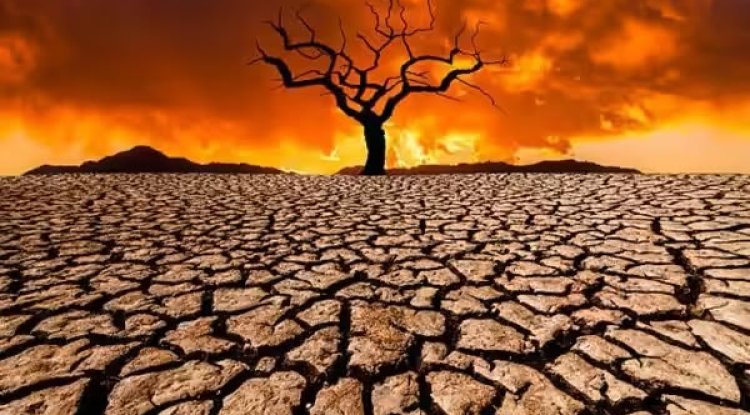
Scientists have found new evidence that challenges the assumption that carbon storage in forest soils is stable. The findings come from one of the longest-running climate experiments in history and could have important implications for climate modelling and projections of future warming.
Jerry Melillo, a researcher at the Marine Biological Laboratory, has been studying heated plots at the Harvard Forest in central Massachusetts for 37 years, in a 1,600-hectare woodland where a network of heating wires, buried in the soil, has maintained elevated temperatures year-round, roughly equivalent to temperatures expected under the higher end of projected global warming scenarios. The team chose this threshold as the lowest level that they had determined 20 years ago when the experiment was first conducted.
The results emerged during the fourth decade of the experiment. Stable soil organic matter (SOM) was previously thought to be protected from warming-driven decomposition, but researchers found that it had also begun to break down. Forest soils could become a significant source of carbon emissions, contributing to further warming, as long-term carbon stores release additional carbon dioxide when they decompose.
Melillo explained that “microbes are a key part of soil ecosystems that digest organic matter and reuse elements needed for plant growth. Because these microbial communities are being altered by warming, this can accelerate the loss of carbon from soils.”
The implications are significant. Globally, soils have approximately 3,500 billion metric tonnes of carbon, which is significantly more than the amount of carbon present in the atmosphere. The release of deep soil carbon is a sign of a broader positive climate feedback loop: When the world gets warmer, soils release more carbon, causing more CO₂ to be released and more warming.
In addition to changes in soil carbon, the experiment identified ecosystem changes such as increased precipitation, reduced snowfall, drier summers, higher rates of tree disease, changes in the types of bacteria, and invasive species.
Researchers said long-term carbon losses from previously preserved deep soil layers should be incorporated into climate prediction models, as current models often consider only short-term carbon losses. This update could significantly influence projections of future warming.
What's Your Reaction?