Hyundai India Domestic Sales Fall 12% in June Amidst Overall 6% Dip
Hyundai India reported a 6% drop in June 2025 sales, driven by weak domestic demand and economic uncertainty. SUVs remained strong, while exports rose 15%. The Talegaon plant and EV focus aim to fuel recovery.
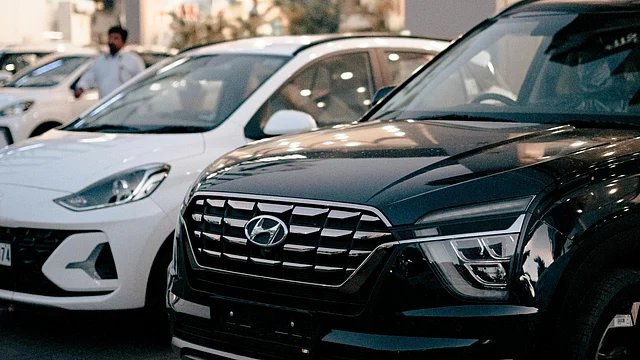
Hyundai Motor India Limited (HMIL) reported a 6% decline in total sales for June 2025, with 60,924 vehicles sold compared to 64,803 in June 2024. Domestic sales dropped 12% to 44,024 units, while exports grew 15% to 16,900 units. Weak domestic demand, driven by geopolitical uncertainties and a scheduled plant shutdown, contributed to the decline. Despite this, SUVs accounted for 67.6% of domestic sales, highlighting their continued popularity. The company anticipates a recovery with new production capacity at its Talegaon plant and supportive monetary policies like repo rate cuts. Hyundai’s focus on electric vehicles (EVs) and export markets remains a key strategy to navigate current challenges.
The Indian automotive market faced a broader slowdown in June 2025, with major manufacturers like Maruti Suzuki and Tata Motors also reporting sales declines. A 6.4% drop in passenger vehicle sales to 3.20 lakh units was attributed to reduced demand for small and compact cars, compounded by price hikes over the past three months. Since 2019, entry-level car prices have risen over 70%, impacting affordability. Hyundai’s domestic sales were particularly affected by these trends, with consumers showing caution due to economic uncertainties and geopolitical tensions. However, the EV segment showed resilience, with models like the Hyundai Creta Electric gaining traction. The company’s first-quarter (Q1) FY26 sales reached 1,80,399 units, including 1,32,259 domestic units and 48,140 exports, reflecting a 13% year-on-year export growth. This elevated exports to 26.7% of total Q1 sales, up from 22.2% last year, demonstrating Hyundai’s growing global presence.
Hyundai’s SUV portfolio, including models like Creta and Venue, remains a strong driver of sales, contributing significantly to domestic volumes. The company’s focus on SUVs aligns with market trends, as utility vehicles continue to outperform other segments. In contrast, competitors like Mahindra & Mahindra reported an 18% increase in SUV sales, reaching 47,306 units in June, highlighting a shift in consumer preference towards larger vehicles. Hyundai’s export performance was bolstered by demand in international markets, supported by a stable range of products and strategic capacity expansion. The Talegaon plant, set to begin production soon, is expected to enhance supply capabilities, potentially easing domestic inventory pressures currently at 15-20 days, down from 30-35 days in May 2025.
Economic factors, such as the Reserve Bank of India’s (RBI) recent 50-basis-point repo rate cut to 5.5%, are expected to improve liquidity and affordability, potentially boosting demand in the second half of FY26. The RBI’s projection of 6.5% GDP growth for FY26 and inflation at 3.7% suggests a stable economic environment, though global trade barriers and policy uncertainties pose risks. Hyundai’s investment in EVs, including the Creta Electric, positions it to capitalise on growing demand for sustainable vehicles, with EV penetration in India rising steadily. The company’s export strategy also mitigates domestic market challenges, with overseas shipments providing a buffer against local slowdowns.
Despite these efforts, challenges remain. High inventory levels and weak conversion rates at dealerships reflect cautious consumer sentiment. Financing challenges and competition from the used car market further complicate sales. Hyundai’s competitors, like Tata Motors, are leveraging new launches to maintain momentum, while Hyundai focuses on balancing domestic and export markets. The company’s commitment to innovation, particularly in EVs and hybrid technologies, aligns with India’s push for stricter emission norms, though some automakers have resisted these regulations. Hyundai’s balanced approach aims to maintain its position as India’s second-largest carmaker, behind Maruti Suzuki, despite short-term setbacks.
The sales decline in June underscores broader market challenges but also highlights Hyundai’s resilience through its SUV portfolio and export growth. Continued investment in production capacity, EVs, and global markets will be crucial for recovery. The Talegaon plant and supportive monetary policies offer hope for improved demand, but Hyundai must navigate economic uncertainties and competitive pressures to sustain its market share. The company’s focus on delivering value and expanding its sustainable vehicle lineup positions it well for future growth in India’s evolving automotive landscape.
SEO Hashtags:
Source : Outlook Business
What's Your Reaction?