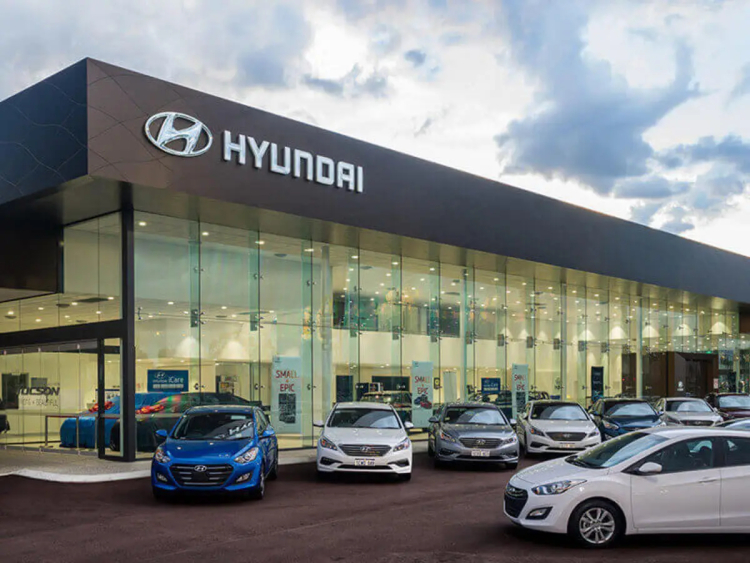
Hyundai unveils its 2025 circular economy strategy, focusing on EV battery recycling to recover lithium, cobalt, and other key materials for reuse.
As the global EV market grows, so does the need to address battery waste and the scarcity of key materials such as lithium, cobalt, and nickel. Hyundai’s 2025 strategy aims to tackle these challenges head-on by developing a closed-loop recycling system. This system is designed to extract usable elements from spent EV batteries and reintroduce them into the production cycle for new electric vehicles.
The company has partnered with leading technology-based recycling firms to deploy this system at scale. These collaborations involve developing automated processes to safely dismantle and extract raw materials from used batteries, reducing the dependence on mining and minimizing ecological harm. The recovered materials will be purified and repurposed for new battery cells, enhancing the lifecycle sustainability of Hyundai’s EV lineup.
A central component of Hyundai’s strategy is the integration of recycling infrastructure into its supply chain. By locating recycling facilities close to manufacturing plants, the company intends to streamline operations, lower carbon emissions from transport, and support local economies. Hyundai is also investing in research and development to improve recycling efficiency and reduce costs, ensuring the program's viability over the long term.
This strategy aligns with Hyundai’s long-term vision for carbon neutrality and sustainable growth. The circular economy approach not only helps preserve critical resources but also reduces landfill waste and the overall carbon footprint associated with EV battery production and disposal. The company expects that these efforts will also meet rising regulatory demands across global markets regarding battery end-of-life management.
Hyundai’s approach reflects a broader industry trend, as automakers increasingly take responsibility for the environmental impact of their products. The implementation of a closed-loop recycling model represents a shift from traditional linear manufacturing systems toward a more regenerative process. With growing demand for EVs worldwide, automakers like Hyundai are under pressure to ensure their vehicles are not only clean at the point of use but also sustainable throughout their entire lifecycle.
In addition to reclaiming materials, the program supports job creation in the recycling and environmental technology sectors. Hyundai’s partnerships are expected to spur innovation and establish new standards for circular manufacturing in the automotive industry.
Looking ahead, Hyundai plans to expand its battery recycling operations to additional regions, adapting the model based on local regulations and infrastructure. As EV adoption accelerates, such strategies are likely to become a benchmark for sustainability in automotive production.
Conclusion:
Hyundai’s 2025 circular economy strategy marks a significant step toward resource efficiency and environmental responsibility in EV manufacturing. By reclaiming valuable materials from used batteries and reintegrating them into the production cycle, Hyundai is addressing key sustainability concerns while preparing for future regulatory and consumer expectations.
What's Your Reaction?