Spain and Portugal’s recent blackout reveals gaps in grid infrastructure and energy management, not renewable energy failure. Experts highlight the need for energy storage and modernization of Europe’s aging power systems.
A large blackout that hit Spain and Portugal has cast serious concerns on the European traditional electricity grid, with the incident fueling debate on the future of renewable energy in contemporary power grids. The blackout, one of the largest in recent history in the area, took place when Spain's solar power plunged from 18 gigawatts to 5 gigawatts in just an hour, leading to a chain reaction of power outages that spilled over into neighboring nations like Portugal and France. Whereas public discourse tried to attribute the cause of the failure to increased usage of alternative sources of energy, experts in energy and facts indicate that the cause is actually in improper management of the grid and insufficient preparedness and not the alternatives. Solar and wind energy do not employ spinning generators like in traditional old-style power plants like coal or nuclear.
Older plants carry a property termed as "inertia," which helps to level out the grid during abrupt losses. Conversely, renewables require backup systems like energy storage and innovative grid technologies to ensure supply continuity during sudden generation fluctuations. At the time of the blackout, almost 70% of Spanish electricity was being supplied by renewable energy sources, and there were not enough backup systems to provide grid frequency support after the abrupt decline in solar energy production. The main lesson learned from this experience is that higher renewable energy penetration must be complemented by concurrent investment in energy infrastructure.
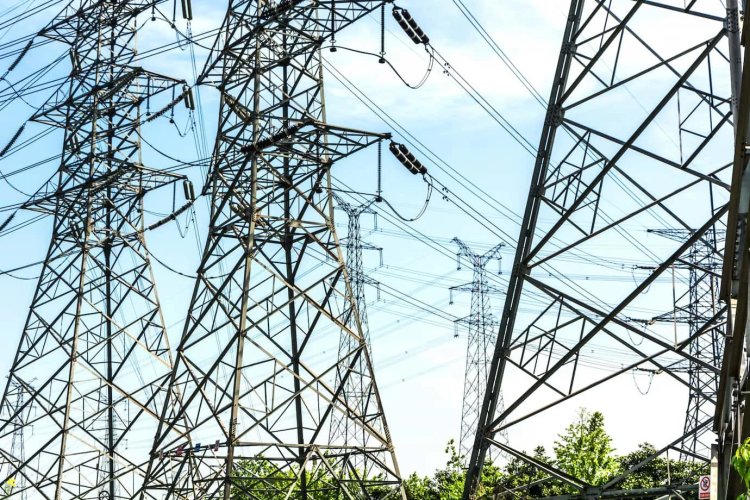
Battery storage facilities and advanced grid solutions must be employed to buffer sudden changes in energy flow. Batteries, for instance, can save excess electricity and distribute it when there are periods of generation, providing a stable supply. Although the price of batteries decreases, investment patterns have had a propensity towards adding renewable capacity instead of developing the grid itself, still utilizing designs that date back decades. The majority of Europe's grids were built in the 1950s and still have not been fully revamped to meet the new energy reality.
With increasing demand for electricity and the continent's increasing reliance on decentralized and intermittent supply, infrastructure modernization is now imperative. Recent European debates held in London recognized increased exposures of the system, not just to energy fluctuations but also to weather extremes and cyber attacks. Such issues bring into focus the necessity of a return to grid architecture to include modern technology and make it sufficient for the maintenance of future forms of energy production. The blackout is a case study for calling for renewable integration, but intelligent integration.
Without planning, monitoring systems, and emergency support structures, it is easy to make the transition to green power unpopular with the population due to unnecessary setbacks. But the point is that the blackout did not occur because renewables failed to work, but because the current energy system failed to accommodate them. Renewables are a key part of the transition of the energy system, but will need assistance in the form of complement investments in storage, in transmission, and in management systems in order to function properly in the long run. The Iberian blackout has a lesson to teach: renewables are not the problem, obsolescence and policy paralysis are. These vulnerabilities need to be fixed with astute investment and systemic changes in order to ensure that Europe succeeds in its climate objectives while retaining the lights.
Source/Credits:Transcribed from a Reuters report. Original report by Jithin Joshey Kulatharayil for KnowESG.
What's Your Reaction?