India and the Netherlands have adopted a five-year strategic partnership roadmap that includes a proposed green hydrogen corridor, renewable energy cooperation, climate initiatives and semiconductor collaboration.
India and the Netherlands have committed to increasing cooperation on green hydrogen and other environmental and renewable energy activities, as per the newly drafted five-year roadmap for their strategic partnership from 2026 to 2030.
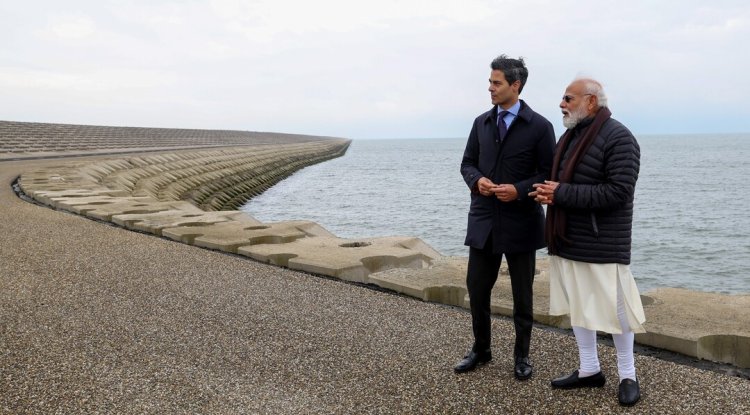
This new agreement was signed during the recent meeting held between Indian PM Narendra Modi and Dutch PM Rob Jetten in The Hague on May 16. In addition, both parties expressed their intent to cooperate in areas such as energy, minerals, semiconductors, maritime transportation, water, and technology.
Among the main points of the roadmap, one can highlight the creation of an action plan in renewable hydrogen that includes establishing a green hydrogen corridor connecting Indian production facilities with the European market through the Netherlands. Moreover, the countries intend to create the Joint Working Group on Renewable Energy in order to collaborate on green hydrogen, bioenergy, battery storage, and circular feedstock.
Moreover, the strategic partnership extends the collaboration between India and the Netherlands in critical minerals, which both countries regard as vital for developing sustainable energy and industries.
Renewable energy, sustainable agriculture, maritime infrastructure, pharmaceuticals, and high-technology sectors were the areas in which both governments said they would promote investment. The roadmap also mentions business partnership programs that will assist small and medium-sized enterprises.
Apart from energy cooperation, both nations decided to expand the scope of their cooperation in other areas such as semiconductors, artificial intelligence, cybersecurity, quantum technologies, and photonics. University-level research and business partnerships were considered essential for advancing these fields.
India-Netherlands cooperation also included climate adaptation and water management. The water partnership is expanded, and cooperation will be further promoted on issues related to flood resilience, urban water systems, and river basin management. Urban rivers projects in Indian cities and disaster-resilient infrastructure projects have been mentioned in the roadmap.
Both the agriculture and healthcare sectors form part of the cooperation between the two nations. Key areas mentioned under these two sectors include climate-resilient agriculture, food security, biotechnology, infectious diseases, and antimicrobial resistance.
The pact also envisages a ‘Green and Digital Sea Corridor’ initiative that would facilitate environmentally sustainable shipping and logistics services between India and Europe. Both nations shall examine the potential of using eco-friendly fuels and technology integration into green ports and sea transport systems.
The pact is one among many bilateral pacts inked by the two nations as part of Modi’s visit to The Hague, aimed at enhancing economic cooperation in the areas of green energy and technology, among others.
What's Your Reaction?