India’s Agriculture Minister urges states to combat fake fertilizers, protecting farmers and reducing environmental harm.Learn about India’s crackdown on counterfeit fertilizers, aiming to boost crop yields, protect soil health, and support sustainable agriculture with strict regulations.
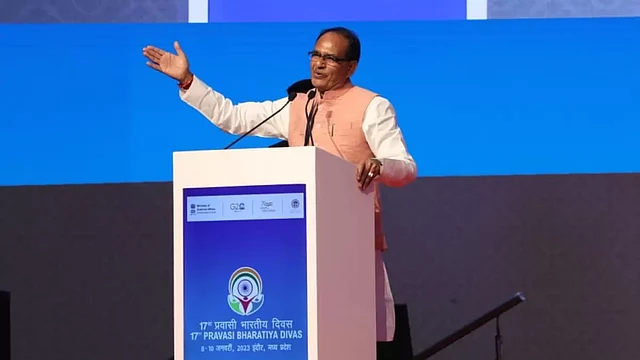
Encouraging states to be firm against the sale of fake and poor fertilisers, Union Agriculture Minister Shivraj Singh Chouhan has banned the forced bundling of nano-fertilisers with regular goods. This project seeks to safeguard farmers and guarantee food security, yet enforcement and supply chain monitoring face difficulties.
Chouhan wrote to chief ministers on July 13, 2025, requesting urgent action to stop fake fertilisers, black marketing, and mandated labeling of nano-fertilisers or biostimulants with standard fertilisers such urea and DAP. Under the Essential Commodities Act of 1955, the Fertilizer (Control) Order, 1985 forbids fake sales; penalties include license cancellations and FIRs. States are instructed to monitor fertilizer manufacture and sales, perform periodic sampling, and advise farmers on how to recognize actual goods. Elimination of poor inputs is suggested in a national effort, with farmer-led feedback systems intended to improve awareness. Following complaints from the Vikshit Krishi Sankalp Abhiyan, the order emphasizes store policies that compel farmers to purchase nano-fertilisers to acquire subsidized traditional fertilizers.
With 1011 million tonnes for DAP and 33 million tonnes annually for urea, India's fertiliser demand is constrained by import interruptions brought on by the Red Sea crisis, increasing shipping times by 1445 days. Domestic production only satisfies 45% of demand for DAP; long-term import pacts with Morocco and Saudi Arabia provide 4 million tonnes yearly. Often marketed at excessive costs, fake fertilizers lower crop yields by up to 20% and deepen farmer debt, thereby jeopardising food security. Public support for the crackdown is reflected in postings on X, but they also express scepticism about enforcement given past failures in states like Rajasthan. Critics contend that limited laboratory capacity and bureaucratic inertia obstructs development, with only 50% of testing facilities fully operational. Revisions to 1.91 lakh crore for FY25 for the fertiliser subsidy emphasise the financial risks.
Though India's 86% smallholder farmers need inexpensive technology and education, solutions like Nigeria's barcode-scanning applications for verification could be adapted. Although nano-fertilizer effectiveness is still debatable—Chouhan questions their value—the governments' push for organic fertilisers, as seen in Goas subsidies, might lessen chemical dependency. India's 140 million farmers must be protected by strengthened supply chains and conviction enforcement.
For agricultural integrity, this repression is a crucial next move. To guarantee excellent inputs and safeguard India's food future, one must consistently enforce laws, enhance testing, and educate farmers.
Source:Business Outlook
What's Your Reaction?