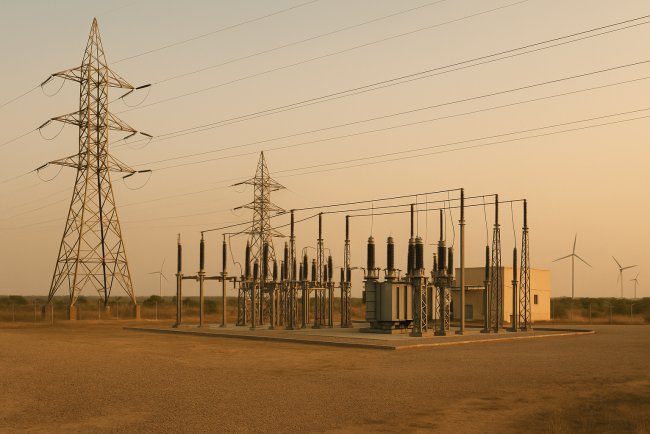
India is advancing a multi-pronged clean energy strategy focused on green hydrogen, nuclear power, and renewables, with targets including 100 GW nuclear capacity by 2047.
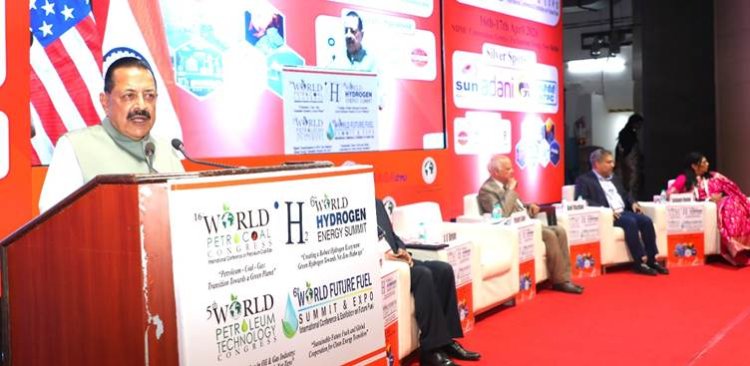
India’s aim of becoming an active participant in clean energy can be achieved through investments in green hydrogen, nuclear energy, and renewables, as per Jitendra Singh, Minister of State for Science and Technology, on April 16.
In his speech at the World Hydrogen Energy Summit held in New Delhi, the minister pointed out that India adheres to a comprehensive strategy to improve its expertise in generating clean energy. This involves working together on policy formulation, technology development, and industrial participation.
This comprises activities related to the expansion of green hydrogen production, boosting nuclear energy production, and generating renewable energy, among others. Advanced technology capabilities, such as electrolyzers, are also developed under this process, and public-private partnerships are prioritized in research and development efforts.
Central to India’s plan is the National Green Hydrogen Mission, which has been budgeted for ₹19,744 crore. The government aims to promote hydrogen as an emission-reducing fuel in industries such as steel and cement that are difficult to decarbonize. Reduction in cost is also targeted through technology development and domestic manufacturing.
In addition, the government has announced its plans to increase the capacity for nuclear power to 100 GW by 2047 through the newly launched Nuclear Energy Mission. The minister stated that the country is entering into a new era of nuclear energy development through the use of indigenous technologies. The goal is to achieve energy security and produce environmentally friendly sources of power in the future.
Under this plan, the government seeks to build five small reactors within the next decade. It includes plans to construct the Bharat Small Modular Reactor, the Bharat Small Reactor using proven heavy water technology, and a small hydrogen reactor. Small reactors are likely to contribute towards decentralization and flexibility in producing energy, especially for industries.
The government has taken certain steps to allow private participation in the nuclear sector and reduce legal liabilities as well. These changes are meant to encourage investors from startups, MSMEs, and established corporations to invest in nuclear energy projects.
Apart from investing in clean energy, the strategy involves expanding oil and gas production with an estimated cost of around $100 billion. The target is to increase the share of natural gas to 15% while enhancing refining capacity in the sector.
Authorities also stated that the process will create jobs in areas like electric vehicles, battery recycling, grid management, and renewable energy manufacturing. Other efforts include producing biofuels from crop residue and used cooking oil, along with exploring ocean energy as part of existing programs.
According to authorities, India's energy pathway has been structured to find a perfect balance between economic growth, energy availability, and reduced emissions amid growing global pressure on clean energy systems.
What's Your Reaction?