India Focuses on Rural Systems for Long-Term Food Security
As World Food Day 2025 approaches, a new report highlights India's need to rebuild rural systems like water, soil, and community enterprise for lasting food security, moving beyond just food production.
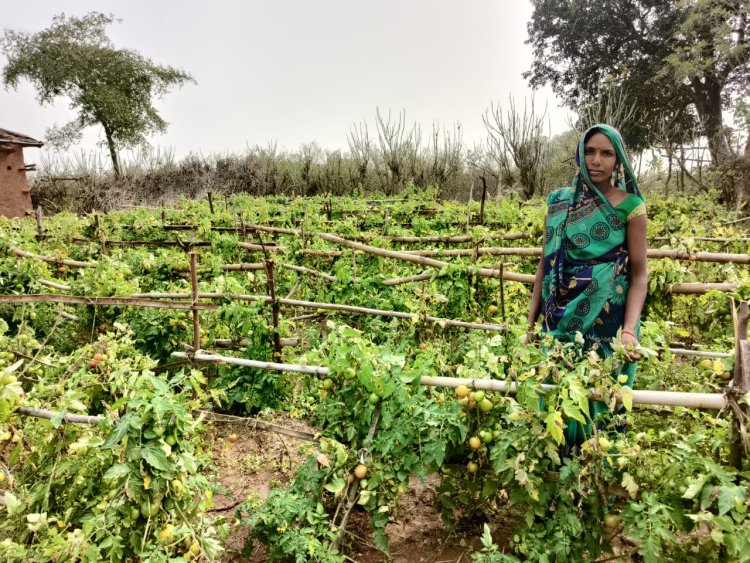
Achieving durable food security in India rests on rebuilding the base rural systems that underpin it, notably in water, soil, and community. This means ensuring that smallholder farmers in rural settings have access to reliable irrigation, rehabilitating degraded lands, and empowering local community enterprises. Instead of deliverables designed for immediate consumption and emergency relief. In its recent report prepared for World Food Day, the non-profit organization Action for Social Advancement (ASA) contends that this struggle is not technical but one of food production and delivery, ensuring that food produced is reaching every household safely, accessibly and affordably, and that farming is a viable livelihood for the next generation.
ASA's practice-based learning for 2024-25 has demonstrated the tangible impact of this work: the organization created new irrigation potential across 11,606 hectares, bringing its cumulative total established to over 90,000 hectares; soil and moisture conservation activities implemented reached over 108,000 hectares, with over 108,000 farmers directly benefiting. These activities improved harvest reliability and reduced dependency on rain, ensuring food would be available reliably and consistently.
In addition to water management, ASA is making a large-scale investment in organic and sustainable agriculture to improve both soil and human health. In the past year alone, 65,134 farmers have begun organic production methods. Additionally, 123,361 farmers began using sustainable methods such as Integrated Pest Management, which significantly decreased the use of synthetic chemicals and ensured that safer, chemical-free food entered their local markets.
To improve nutrition at a household level, ASA supported the establishment of more than 10,000 new household vegetable gardens (locally known as Poshan Vatikas) which brings the total across ASA operational areas to 74,514. These gardens enable families to diversify their diets by providing fresh vegetables and decreases their reliance on purchased food.
Strengthening local market systems is another main strategy. ASA currently supports 98 women-led Farmer Producer Organisations (FPOs), which include over 72,000 farmers. Aggregating their produce and cutting costs with intermediaries, these farmers' groups have created stable and transparent income for farmers. This improves purchasing power at the community level so households can consistently spend money on diverse and nutritious food throughout the year.
Established in 1996, ASA operates across eight states in India to innovate farm-based livelihoods for smallholder farmers to help them balance people, nature and the economy.
Based on evidence shared over the past year, it is clear that building resilience comes from strengthening local systems. Communities become food secure when they are adapted with tools and knowledge and their soil and water resources are retained.
What's Your Reaction?