India has fined thermal power plants $7.4 million for failing to meet biomass co-firing norms aimed at reducing air pollution in Delhi.
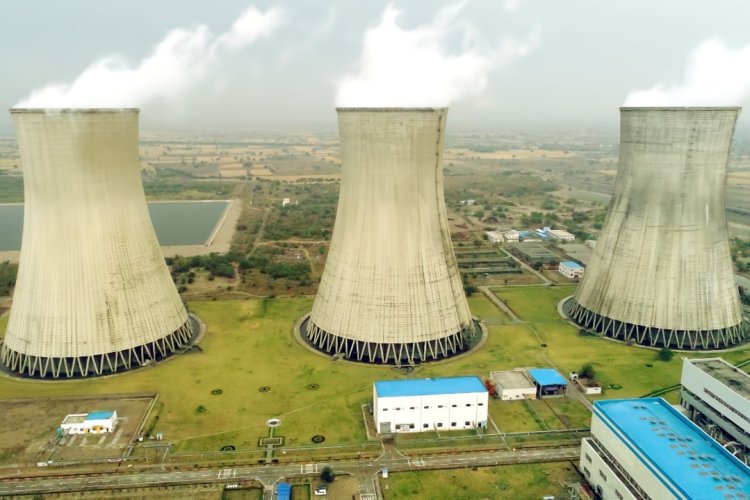
The government has issued penalties worth $7.4 million (approximately ₹61 crore) against thermal power plants generating electricity for Delhi, for non-compliance with the mandatory biomass co-firing requirements. The move is considered a step towards mitigating air pollution in the National Capital Region.
The CAQM has penalized thermal power plants for violating the prescribed co-firing standards. As per the regulations, power plants located within a 300-km radius of Delhi must incorporate biomass pellets derived from crop residues into their fuel blends.
The practice of biomass co-firing has been advocated as a crucial technique to minimize the pollutants emitted from coal-fired power stations and restrict stubble burning in North India. Using agricultural waste as fuel helps in tackling both air pollution and agricultural waste management concerns at once.
Nevertheless, enforcement has been irregular. Upon examining the available data, it emerged that several power plants failed to maintain the required minimum co-firing levels in the previous inspection cycle.
These penalties were based on environmental compensation, and their magnitude depended on the degree of compliance violations. Thermal plants that failed to meet the minimum requirements regarding the biomass used received proportional penalties due to their failure to comply despite having enough time before the implementation period started.
There have been instances where thermal power plants have contributed significantly to the energy production, while at the same time being one of the most polluting industries in the region. In this case, these plants needed to blend at least 5% biomass starting from the year 2023, with interim goals in previous years.
It has been stated that there is a need for strict adherence to the regulations, especially during times when the quality of air is low and during the peak pollution season in the capital city of Delhi. There has been a growing trend of using agricultural waste materials in thermal power plants as an effective method instead of burning such residues in the open fields.
Industry representatives claimed that there were several issues that contributed to the slow process.
According to experts, although the imposition of fines may enhance compliance in the short run, long-term success is contingent upon improvements in the biomass supply chain as well as economic feasibility for power generation companies.
This most recent measure highlights an increasing emphasis on enforcing environmental standards within the power generation industry. Nevertheless, the efficacy of the biomass blending regulation remains contingent upon constant oversight and the successful incorporation of biomass into the process without disrupting plant activities.
What's Your Reaction?