Mauritius Faces Severe Water Crisis, Researchers Recommend Ten New Reservoirs
Mauritius faces a water crisis due to climate change and rising demand. Experts recommend building ten reservoirs to capture river runoff, modernise infrastructure, and involve communities in conservation.
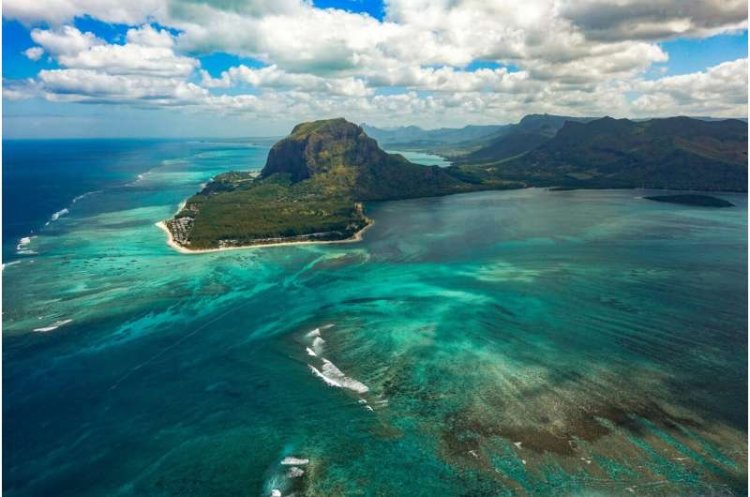
Mauritius is already experiencing a high level of water scarcity due to heightened demand, decreased rainfall, and increased temperature. Due to decreased rainfall in the past decade, Mauritius's rainfall has decreased by approximately 8%, negatively affecting numerous dimensions of water availability. As a small island nation exposed to tropical cyclones, sea-level rise, and ocean warming, Mauritius is highly susceptible to impacts of climate change. National reservoir storage capacities are at a historic low of 38.2% capacity, down from 92.6% in February 2024.
Island populations have grown exponentially, from 479,000 in the 1950s to over 1.26 million in 2022. Greater population has placed pressure on water need, and stringent pressure on available resources. Agriculturists, industries, and domestic usage in the central plateau and coastal areas are getting hammered by water shortages. Sugar cane cultivation, the financial backbone of Mauritia, is left hanging, and water usage regulations with penalty rates of MUR 50,000 to MUR 200,000 are levied by the state on default.
Mauritian, French, American, and Kenyan experts, in despair at the accelerating crisis, have examined the island's hydrology and proposed a ten-year solution: the building of ten strategically located mini reservoirs. These would catch river runoff—rainwater that now goes into the sea—and hold 500,000 cubic metres of water. It is only two days' worth of present-day water usage, but would be a valuable buffer in dry years were it to be supplemented by rationing of water.
Island nations like Mauritius are dependent on lakes, rivers, and groundwater. The groundwater has been depleted through over-pumping, and the aged water pipes of the country are draining the country huge sums of money—60% of the water was lost through leaking pipes alone in 2020. Trucked-in water during drought is an inefficient and costly method, which is unable to satisfy extensive demand.
Rain when it arrives quickly fills up rivers that spill over into the ocean. These are the peak flood flows that the proposed mini reservoirs aim to harvest before it slips away. It would take around US$100 million to build ten such systems, estimates claim. That is expensive for a small economy, but the researchers feel that the expenditure would make the country more water-resilient and seasoned in local water management.
For its financing, the researchers suggest that Mauritius employ blended finance. This can be in the form of half-grant-half-loan concessional finance by institutions like the Green Climate Fund. The government is also urged to draw on technical assistance and co-financing from the regional development banks and other multilateral institutions.
Complementary to the idea of reservoirs are public engagement and nature-based solutions. Urban forest planting and wetland restoration would enable the soil to absorb water when it rains. Urban green infrastructure such as rain gardens, green roofs, and permeable pavements can recharge groundwater through water absorption.
Domestic water conservation is important because domestic use accounts for an enormous percentage of national water use. Leakages in wellings and retooling plumbing by renovating it would save huge quantities of water. Initiatives like these by public-private partnerships are to be encouraged by the government. A prime example is increasing dam capacity to store more rainwater and improving water scarcity crises.
In densely populated urban centres like Port Louis, the application of smart water management technology assumes the utmost significance. They span from smart meters for detecting leaks and use to geographic information systems as well as remote sensors in distribution and real-time detection of inefficiency. Applied along with large-scale infrastructure overhauls—like putting in new pipes and expanding rainwater harvesting programs—this would be an enormous reduction in wastage.
Mauritius' water shortage is one piece of the overall risks confronting small island developing states. The answer will have to be a combination of investment in infrastructure, natural capital solution-based approaches, partnership with local communities, and effective governance to address current and future water risk. Global support and international cooperation lie at the center of making vulnerable countries like Mauritius achieve long-term water security.
The facts reported here have been taken from a study done by Jay Doorga and Natalie Sum Yue Chung and published on The Conversation under a Creative Commons licence. The original article is found on The Conversation website.
What's Your Reaction?