Behind the national success story, states are moving at different speeds in areas such as grid readiness, market support, and decarbonisation

India has made strong progress in clean energy, but the pace of transition varies across states. The country achieved its 2030 target of 50% non-fossil fuel installed power capacity five years ahead of schedule, according to the State Electricity Transition (SET) 2026 report by Ember and the Institute for Energy Economics and Financial Analysis. However, behind the national success story, states are moving at different speeds in areas such as grid readiness, market support, and decarbonisation.
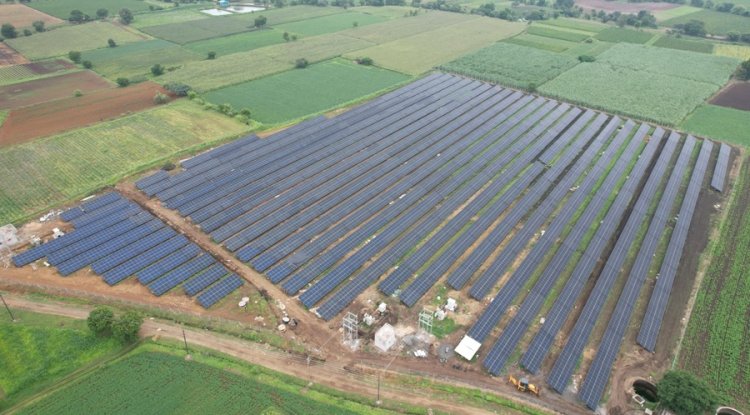
India's plan is ambitious – as evidenced by its recent surge in infrastructure investment. The nation saw a whopping 24 GW of solar, adding up to 29 GW of renewables in the fiscal year of 2025 alone. In October 2025, the total installed renewable power capacity moved up to 251 GW. This increase is not just about the environment—it is a structural need as the country's electricity demand has grown by a staggering 33 % since FY2021 to 1.694 billion units by FY 2025. The growth is primarily being driven by the dual thrust of ambitious industrialisation and quick electrification of mobility and digital infrastructure. However, the “one size fits all” strategy for the energy transition is not an option as demand increases.
Three critical dimensions are brought by the SET 2026 findings, which classify the state performance: decarbonization, power ecosystem readiness and market enablers. The data indicates that none of the states has yet seen breakthroughs in all 3. Technically, states like Karnataka, Himachal Pradesh and Kerala have become the leaders in decarbonization owing to their achievements in the area of carbon intensity reduction of power mix. Delhi and Haryana have turned their powers on their "power ecosystem" and have been doing well in making the grid more stable and delivering the infrastructure to manage variable renewable inputs. A third category, namely those states that are implementing forward-thinking measures, such as green tariffs, green open access, and time-of-day tariffs in sync with the number of hours solar generation is available, is on the right trajectory, like Andhra Pradesh, Uttar Pradesh and Rajasthan.
The report highlights major issues that can hinder the next stretch of the transition, although there are bright spots. Although India's key players like Maharashtra and Rajasthan still struggle to be ready for the power ecosystem, there is still a large scope for Gujarat, being the solar powerhouse of the country, to tap into and optimise the use of renewables. It is more alarming that states like Telangana, Jharkhand, West Bengal and Kerala are still in the initial stages of transition. They suAer from entrenched challenges such as the poor financial position of Distribution Companies (DISCOMs), lack of long-term policy visibility and poor planning regime, among others. Leaders from the industry sector are pushing for the successful transition to depend on the "last mile" now. Distributed solar leader Aerem explains that the 'last mile' is now the crucial component of the transition. Though impressive, the closing of gaps at distributed solar adoption, smart metering and energy storage are far more challenging and are where big strides have to be made,” Aerem Founder Anand Jain says. The shift is not complete until clean energy vision becomes mainstream and solution execution becomes reliable – at the household and small business level.
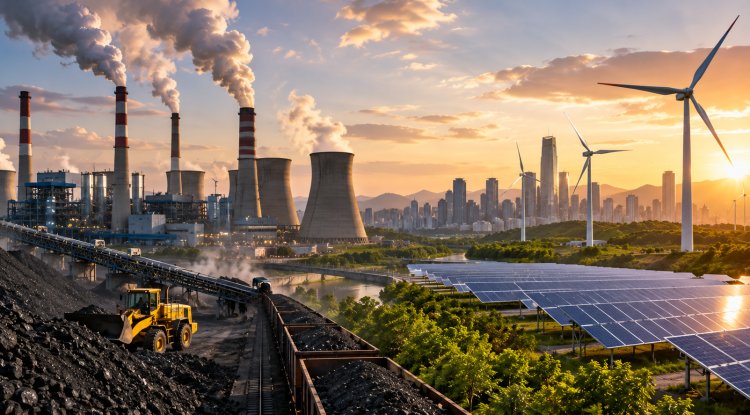
The current demand-supply gap illustrates the importance of closing these gaps. Renewables accounted for around 22% of total generation in FY2025, leaving 78% of generation to continue to rely on traditional sources and also on ageing grid infrastructure. While it is obviously vital to aim for a national-level target in terms of capacity, there is a need to now shift emphasis from capacity to state-level power market design. This means that DISCOM should take steps to improve its financial standing in order to continue paying renewable energy generators and to look after the intermittent nature of solar and wind power by investing in storage solutions.
In conclusion, the SET 2026 report is a reflection of India's dynamic and accelerated green growth journey, along with a warning of the challenges of its federal energy system. The next step in India's electricity transition will not be in terms of the number of GWs connected to the grid but how well the laggards catch up to the policy gains of the leaders. The priority should be moving to a more concerted, equitable transition so there are no states or consumers in the shadows of the transition in the march toward long-term climate goals.
What's Your Reaction?