China’s rising coal power generation reflects the challenges of balancing energy security, climate goals and rapid renewable energy expansion amid global uncertainties.
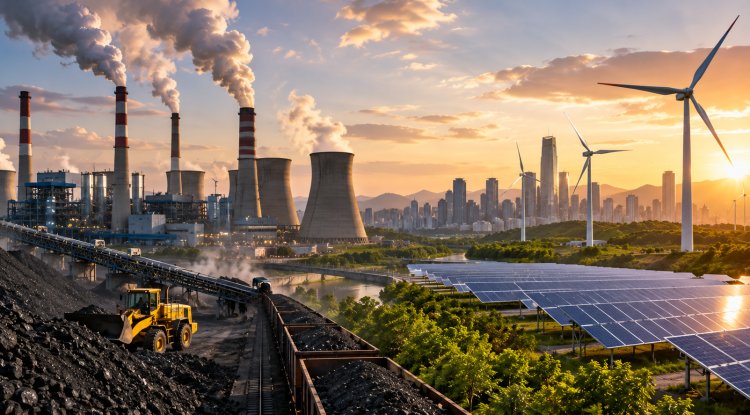
In the stories of the global transition to clean energy, the path to sustainability is usually portrayed as linear and seamless. But reality is not as predictable. China, the world's largest energy consumer, is an example of this complexity, not only in its efforts to weather a range of severe climate events but also in managing geopolitical crises. Chinese coal-fired power generation is expected to bounce back substantially, after its dependence on fossil fuels reached the highest level in more than a decade. The abrupt turnaround reflects a larger, high-stakes balancing act as the nation continues a massive expansion of wind and solar power while short-term energy security needs prompt a temporary reversion to reliable, carbon-intensive baseload power sources.
This surprising revival is starkly evident in the statistics. China's overall thermal power output, dominated by coal, rose by a strong 3.4 percent year-over-year and reached an enormous 2.53 trillion kilowatt-hours (kWh) in the first five months of the year, according to tracking figures from China's statistics bureau. In response to this growth, some of the world's largest commodities analysts have adjusted their 2026 forecasts, predicting a total increase in coal-fired generation of 1.5 to 2 percent for the year. At the same time, data analytics company Kpler projects total coal consumption, particularly in the domestic power sector, to rise 3 percent to an estimated 2.7 billion tons.
To appreciate this indicator of the worldwide energy transition's sluggish pace, one must examine a complicated mix of global and climatic forces. One of the causes of the resurgence of coal is the onset of a pronounced El Niño weather pattern. These climate disturbances have contributed to severe localized droughts and a shift in historic rainfall patterns that has systematically reduced yields from China's vast hydroelectric systems. If large river power generation systems do not operate at peak efficiency, there is a significant imbalance in the power supply. With the rapid growth of newer renewables such as solar fields and wind farms yet to match this hydro reduction in timing, it has been inevitable for grid operators to increase coal-based power generation to maintain grid reliability and keep up with the pace of growth driven by the nation's industrial growth.
Adding to these environmental difficulties is a big geopolitical jolt further west. The onset of conflict in Iran has triggered an energy crisis throughout Asia, with the vital Strait of Hormuz chokepoint being greatly affected by the conflict. As oil and gas prices climb to elevated levels around the globe because of the blockade, China has been making a conscious and deliberate effort to sharply reduce its use of imported liquefied natural gas. The higher costs will drive down domestic gas-fired generation by 12 percent, according to S&P Global analysts. In such a high-stakes game, coal serves as an economic safeguard: it is low cost, readily available at home, and impervious to foreign shipping disruptions, allowing Beijing to present its energy transition as a security measure first and foremost.
This temporary rise is not a sign that China is no longer committed to its long-term decarbonisation trajectory, climate experts say. The coal industry of the country is changing its basic structure. Coal plants are no longer used as continuous baseload facilities but are being used as flexible back-up resources to help balance the national grid during peak energy demand periods or during environmental emergencies. In China, the power generation capacity of new thermal plants is being steadily built up to ensure grid stability, but their overall utilisation rates have decreased from about 60 per cent ten years ago to below 50 per cent today. Despite this, international climate analysts believe that the nation is still on course to reach its broader target of peaking national carbon emissions by the year 2030. In short, this rebound is a stark reminder to world policymakers that net zero is never a linear path, and that sovereign and economic stability will always be the priority when global crises converge.
What's Your Reaction?