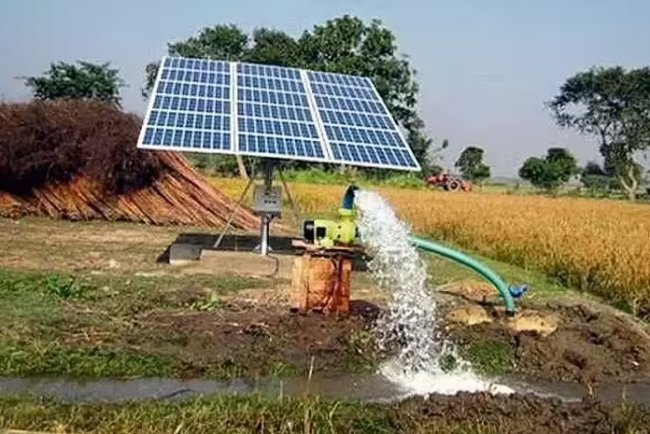
India will highlight its renewable energy expansion, smart grid initiatives, and ethanol blending success at the BRICS Energy Ministers’ Meeting, showcasing its pathway towards a sustainable and secure energy future.
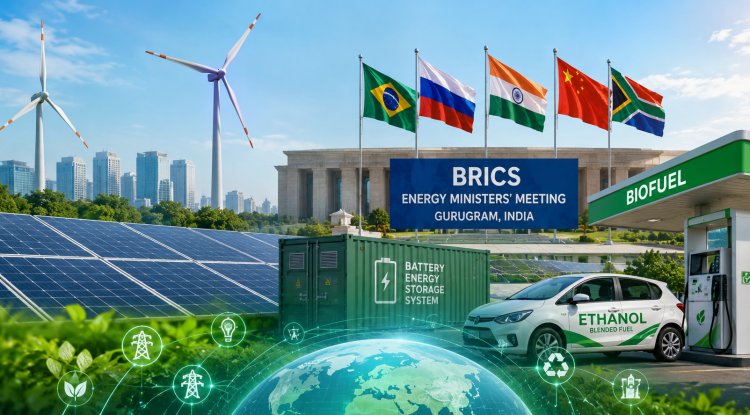
India is set to highlight its progress in green energy at the upcoming BRICS Energy Ministers' Meeting in Gurugram. As countries seek to balance rising electricity demand with climate commitments, energy security has become a key global priority. Against this backdrop, India is expected to showcase its renewable energy expansion and energy transition initiatives. According to news report, the meeting will bring together energy ministers and policymakers from Brazil, Russia, India, China and South Africa, providing a platform to discuss sustainable energy development and energy security challenges facing emerging economies.
The two-day international conclave comes at a time when BRICS member countries are playing an increasingly influential role in the global economy. Together, the bloc accounts for nearly half of the world's population and around 40% of global GDP. Decisions and collaborations emerging from the grouping can significantly influence global energy markets and the future direction of the energy sector. As the host nation, India is expected to focus discussions on practical policy measures related to energy affordability, supply security and technological innovation, with an emphasis on frameworks that can be implemented by emerging economies.
India is expected to showcase its power sector transformation during the BRICS meeting. The country is likely to highlight the growing contribution of solar power to its electricity generation mix, along with progress in expanding solar capacity across utility-scale and distributed projects. India is also expected to present its deployment of smart meters as part of broader power sector digitisation efforts aimed at reducing transmission losses, managing peak demand and improving consumer participation. Delegates are expected to gain insights into the country's renewable energy infrastructure and ongoing efforts to expand large-scale battery energy storage systems, which are increasingly important for maintaining grid reliability as the share of wind and solar power continues to grow.
In addition to the grid, India will promote its highly successful sustainable biofuel initiatives on the BRICS platform. One major highlight of this strategy is the development of India's ethanol blending programme. This is a significant achievement by the government, as it has achieved the target of 20 per cent ethanol blending in petrol across its domestic fuel network. India has succeeded not only in reducing carbon emissions equivalent to millions of tonnes of CO₂ but has also created additional livelihood opportunities for its large farming community by blending ethanol with conventional fuels. The implementation of this successful blending programme provides a viable model for other resource-rich BRICS countries seeking to reduce their dependence on expensive imported oil supplies.
This is a very focused effort to build an independent, clean energy infrastructure, which is aligned with India's long-term sovereign aspirations. India is the third-largest producer and consumer of electricity globally and among the fastest-growing major economies. A stable and sustainable energy landscape is considered a key pillar of its national development agenda and is vital for mitigating environmental impacts. Indian officials often highlight these clean energy achievements as key components of the nation's aspiration to become a developed nation by 2047.
In conclusion, the upcoming Ministerial Summit in Gurugram is not just another routine diplomatic meeting—it is an important occasion highlighting the nation's progress in its energy transition journey. It is a critical platform where discussions on the future of global energy governance are taking place. India is making a strong statement to the Global South and international markets through its large-scale solar projects, smart grid technologies, and advancements in biofuels: economic modernisation need not come at the cost of the environment. India's practical achievements, along with its focus on technology and security, will present an important example that a more resilient and cleaner global energy system is achievable through strong political will and strategic investment as BRICS countries forge new technological and security partnerships.
What's Your Reaction?