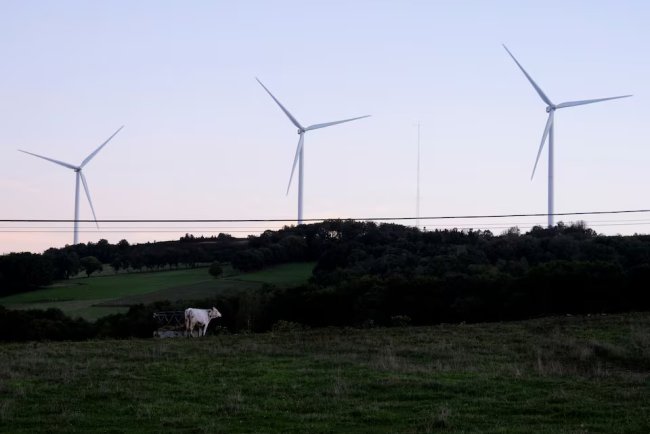
India is re-evaluating its energy policies to adopt a planet-centric approach, focusing on sustainability, decentralization, and integration of renewable resources to ensure ecological balance and energy security.
India stands at a critical juncture in its energy journey. As the nation strives to meet its growing energy demands, the challenge lies not only in ensuring adequate supply but also in doing so sustainably. The traditional energy paradigm, heavily reliant on fossil fuels and large-scale infrastructure, has led to environmental degradation and social disruptions. A shift towards a planet-centric energy strategy is imperative to align India's energy goals with ecological balance and long-term resilience.
The current energy infrastructure in India is predominantly centralized and extractive, leading to significant ecological and social consequences. Fossil fuel-based power generation contributes to air and water pollution, while large hydroelectric projects have disrupted river ecosystems and displaced communities. Even emerging technologies like hydrogen energy pose challenges; research indicates that hydrogen leakage can extend the atmospheric lifespan of methane, a potent greenhouse gas.
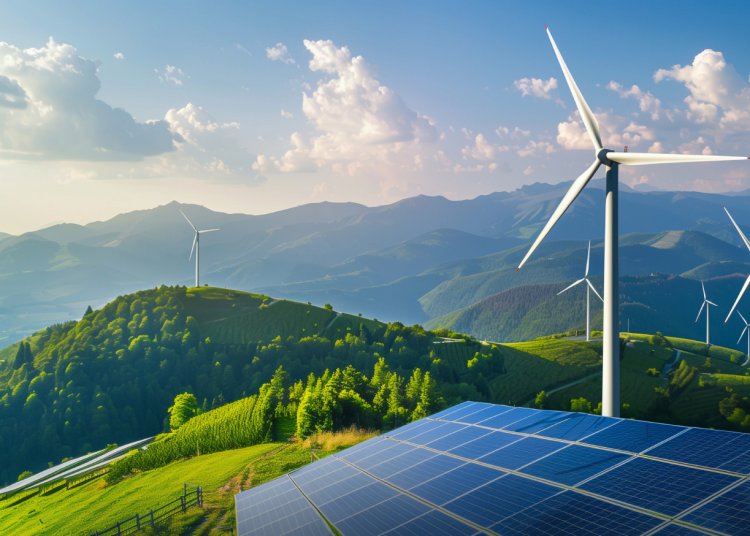
To address these issues, a planet-centric approach emphasizes decentralization and sustainability. This involves integrating renewable energy sources such as solar, wind, and biomass into localized grids, reducing transmission losses and enhancing community participation. For instance, India's vast solar potential, estimated at about 5,000 T kWh per year, offers an opportunity to harness clean energy while minimizing environmental impact.
Incorporating traditional knowledge systems can further enrich this strategy. Ancient Indian philosophies recognize the interconnectedness of the five elements—soil, water, air, energy, and space—highlighting the importance of harmony between human activities and nature. By respecting these principles, energy policies can promote practices that preserve ecological integrity.
Policy frameworks must also evolve to support this transition. India's commitment to achieving net-zero carbon emissions by 2070 necessitates robust regulatory mechanisms. The Energy Conservation (Amendment) Act 2022, which empowers the central government to specify a carbon credit trading scheme, is a step in this direction. Additionally, investments in energy efficiency and conservation can significantly reduce demand, complementing the shift towards renewables.
Conclusion
Adopting a planet-centric energy strategy is not merely an environmental imperative but also a socio-economic necessity for India. By decentralizing energy production, embracing renewable sources, and integrating traditional ecological wisdom, India can pave the way for a sustainable and resilient energy future. This approach ensures that development does not come at the cost of environmental degradation, aligning national growth with global sustainability goals.
Source: SustainabilityNext
What's Your Reaction?