India’s Growth Balances Equity and Sustainability
India drives growth with equity and sustainability, leveraging renewables and inclusive policies to meet net-zero goals by 2070.Explore India’s approach to balancing economic growth with equity and sustainability through renewables, green policies, and challenges in achieving net-zero by 2070.
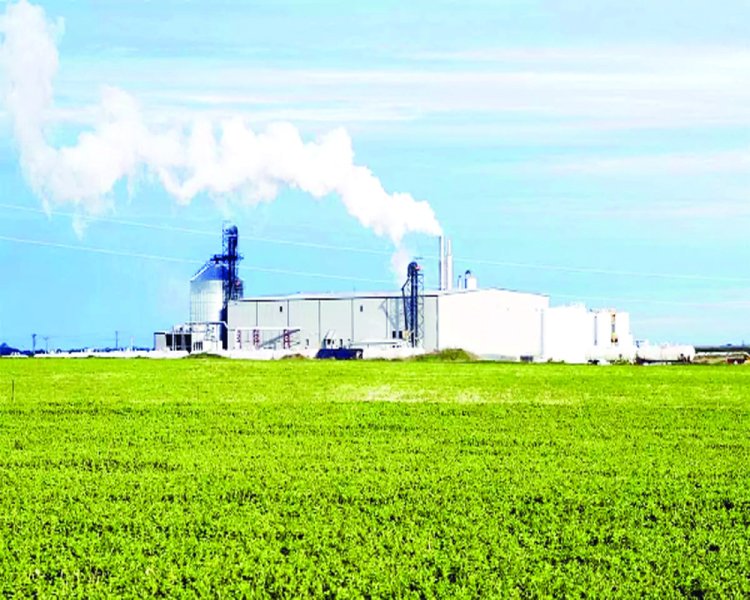
India is driving economic growth while prioritizing equity and sustainability, leveraging renewables, green infrastructure, and inclusive policies. This article examines India’s approach, its impacts, and challenges in achieving sustainable development by 2070.
India’s economy, projected to reach $5 trillion by 2027, integrates sustainability through initiatives like the National Solar Mission and Green India Mission. Renewable capacity hit 150 GW in 2025, with 50% of power generation from non-fossil sources. Policies like PM Ujjwala Yojana and Swachh Bharat provide clean energy and sanitation to 100 million households, promoting equity. The country aims for net-zero by 2070, with 2.6 gigatonnes of CO2 emissions annually, third globally.
Economically, green projects create 1 million jobs, with MSMEs contributing 40% to renewable manufacturing. Investments of $10 trillion are needed by 2070 for net-zero, with carbon markets generating $1 billion for MSMEs. Critics argue that growth prioritizes urban areas, with rural regions, home to 65% of the population, receiving only 20% of green investments, risking inequity.
Environmentally, renewables and afforestation cut 150 million tonnes of CO2 yearly. India’s 33 million hectares of forest cover sequester 700 million tonnes of CO2, but urban expansion threatens 1 million hectares by 2030. Critics highlight that coal, powering 70% of electricity, undermines gains, with 1 billion tonnes of CO2 emitted annually.
Challenges include funding and inclusion. Green projects require $500 billion annually, but public budgets cover only 30%. Rural communities face barriers to solar and biogas access due to high costs. Policy gaps, like inconsistent carbon pricing, deter private investment. Critics urge stronger enforcement to ensure equitable benefits.
Community engagement fosters inclusion. Training programs upskill 200,000 rural workers for green jobs, while campaigns promote clean cooking. Critics note that marginalized groups, like tribal communities, need targeted support to avoid displacement from infrastructure projects.
Globally, India’s model aligns with Brazil’s renewable push. Collaboration with the UNEP could enhance carbon markets, but critics argue that global trade barriers, like US tariffs, risk India’s green exports. Policy coherence is critical to maintain competitiveness.
Long-term success depends on innovation. Digital platforms tracking emissions and $2 billion in R&D for green tech will drive progress. Government incentives, like PLI for renewables, are vital, but critics urge faster fossil fuel phase-out.
Conclusion
India’s growth strategy balances equity and sustainability, leveraging renewables and inclusive policies. Addressing funding, rural access, and coal reliance will ensure long-term success in achieving net-zero by 2070.
Source:Daily Pioneer
What's Your Reaction?