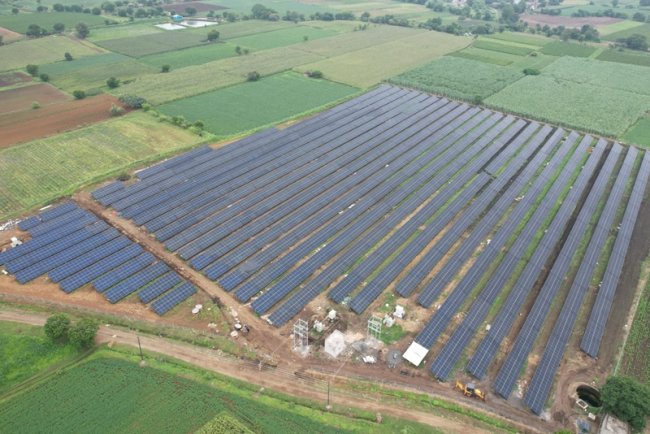
Nearly 90% of India’s renewable energy infrastructure could face severe climate risks, raising concerns over resilience, investment, and long-term energy transition goals.
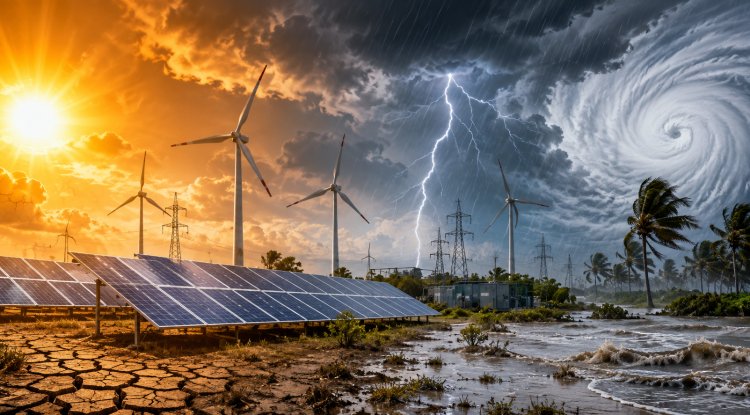
India is now on alert as a new risk assessment report has revealed that almost 90% of renewable energy assets in the country are likely to be highly exposed to climate risks by 2030, highlighting vulnerabilities in the country's transition to cleaner energy.
India's climate risk research experts analysed the risks faced by solar, wind, and other clean energy infrastructure due to climate change. It discovered that the vast majority of renewable energy installations, such as utility-scale solar power plants and wind farms, along with their transmission infrastructure, are located in areas that are becoming more vulnerable to extreme heat, heavy rainfall, cyclones, and flooding. The operational risks and financial losses from these hazards are likely to worsen in the next 10 years as a result of global warming.
The report emphasises that the rapid growth of renewable energy in India — over the last decade, at a pace much higher than the world average — has enhanced energy security and helped cut reliance on fossil fuel energy resources, but has not adequately taken into account exposure to climate risks at the planning level. Many projects already in operation or under development may be at risk of generation efficiency losses, infrastructure damage, and viability issues due to climate stressors that may occur in the future.
Investor confidence could be impacted, supply chains could be affected, and India's overall decarbonisation objectives could be undermined if climate risk is not considered in energy planning, experts pointed out in the report. “The report notes that renewable asset portfolios must be resilient by design, with a risk modelling approach to incorporate changing climate patterns.” Without effective adaptation strategies, assets might be more expensive to maintain, remain out of service for longer periods, and have shorter lifespans.
Another major flaw highlighted by analysts is the differential exposure and vulnerability of wind resources in coastal and cyclone-prone areas, and in arid solar resource areas, where heat stress and dust exposure represent a threat to solar assets for extended periods of time. The report calls for climate risk assessment (CRA) to be part of siting processes, enhancing grid infrastructure, improving design standards, and introducing real-time monitoring systems.
The results come at a time when India is making a concerted effort to reach 500 GW of non-fossil fuel energy generation by 2030 and raise the percentage of renewables in the power mix. Expansion is essential to make climate commitments under the Paris Agreement, but the new analysis indicates that resilience planning is having to step up to meet the challenge of growth.
The Government and industry representatives are reportedly considering the recommendations in the report, with initial discussions centring on policy incentives to support climate-proofing renewable infrastructure and adaptation costs. With the increasing occurrence of extreme weather events, climate resilience would play a vital role in protecting India's renewable energy investment and ensuring the continuity of long-term energy transition targets.
What's Your Reaction?