A recent IISD analysis found that India’s state-owned energy companies could strengthen long-term energy security by redirecting investments towards clean energy and grid infrastructure.
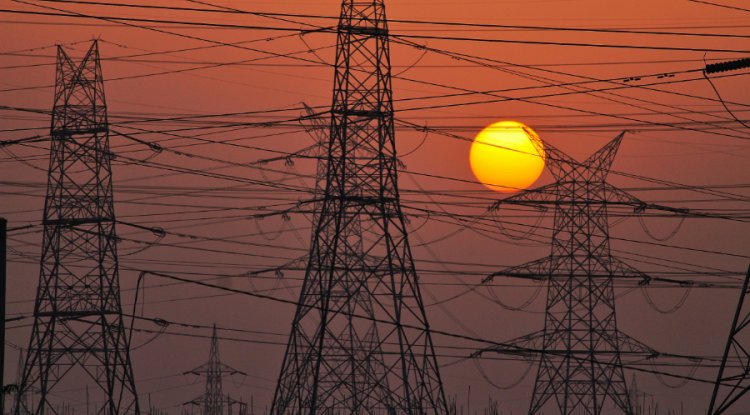
The state-owned energy companies of India can improve the energy security of the nation by allocating more funds from their investment portfolios to green energy ventures than to fossil fuels, according to an assessment conducted by the International Institute for Sustainable Development (IISD).
According to the study, nine key public sector energy corporations allocated about ₹2.6 trillion in capital expenditure during FY2025 on projects related to both fossil fuels and renewable energy sources. ₹2.3 trillion was invested in fossil fuels, while only ₹0.3 trillion went into clean energy investments.
It is noted that investing some portion of the existing resources into renewable energy, storage, electrification, and critical minerals will help to mitigate the risks associated with volatile global fuel markets while ensuring energy security.
These conclusions come at a time when India is facing an increasing demand for power due to urbanisation, the development of its industry, and expanding digital networks. The Indian energy sector still relies heavily on foreign supplies of fossil fuels such as crude oil, liquefied natural gas, and coal-derived products, thereby putting it at risk of external factors.
In light of the analysis conducted by IISD, the magnitude of investments made through the public sector energy companies suggests a major impact of these organizations on the energy transition within the country. These nine companies generated revenues of around ₹26 trillion in FY2025, accounting for nearly 8% of India’s GDP.
The report suggests that future investments in renewable energy, battery storage, grid development, and electrification systems could help reduce the mismatch between the existing patterns of investments and the country’s net-zero targets. The objective of achieving net-zero emissions by 2070 and scaling up the non-fossil electricity generation capacity of the country has been set out by India.
IISD analysts have drawn attention to the evolving trends in energy security strategies due to the increasing reliance on renewable energy, storage systems, and grid digitization technologies. The focus is also on transmission, battery storage technology, and critical minerals as the elements of future energy security systems.
On the other hand, it was explained that fossil fuel investments are still related to infrastructural development projects and industrial use, impacting the rate of change in the near future. India still relies on coal for generating a considerable portion of its power needs, whereas oil and gas imports are essential for transportation and industry needs.
It was indicated that slow shifts in the flow of capital, rather than the rapid divestment of funds invested in fossil fuels, will be needed in order to maintain a delicate balance between energy needs, costs, and transitions. It was further emphasized by researchers that state-owned enterprises can contribute immensely to renewable energy and power transmission infrastructure developments.
What's Your Reaction?