India's decision to join the WTO Fisheries Subsidies Agreement reinforces its commitment to sustainable fishing, marine conservation and responsible management of ocean resources.
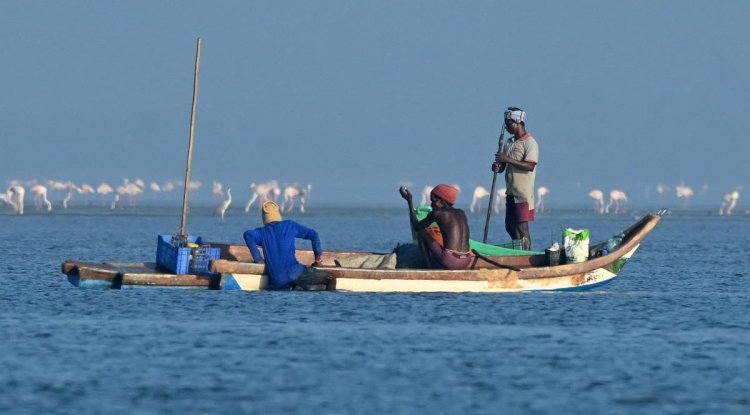
India has submitted its Instrument of Acceptance to the World Trade Organization (WTO), with the aim of becoming a member of the Agreement on Fisheries Subsidies. This agreement will make India the 123rd WTO member to sign this agreement.
The Agreement on Fisheries Subsidies was adopted by consensus at the WTO's 12th Ministerial Conference in Geneva in June 2022, and it is the first WTO multilateral agreement to have an environmental sustainability objective. After being accepted by two-thirds of WTO members, it entered into force on September 15, 2025.
The Agreement is focused on marine wild-capture fishing and marine fishing-related activities and excludes aquaculture and inland fisheries. This also does not impact India's aquaculture industry and shrimp exports.
The Agreement will address illegal, unreported and unregulated (IUU) fishing, overfishing of fish stocks and the conservation and sustainable use of marine resources. It will also help reduce harmful subsidies to large industrial fishing fleets of distant-water fishing nations (DWFNs), which is expected to benefit countries like India, where small-scale operators dominate the fishing industry.
India's membership in the Agreement will further solidify its role as a responsible exporter of seafood, a factor that will facilitate access to quality global markets that are becoming more and more aware of sustainability and traceability. It is not expected that exports of seafood products will be impacted by the Agreement since most of the Indian exports are from shrimp aquaculture, which is outside the scope of the Agreement.
India's fisheries management framework is already closely aligned with the objectives of the Agreement, as indicated below: Sustainable Harnessing of Fisheries in the EEZ Rules, 2025; Pradhan Mantri Matsya Sampada Yojana (PMMSY) for capacity building; and Sustainable Harnessing of Fisheries in the High Seas Rules, 2025. These measures will ensure that the policy space for traditional and small-scale fishers is maintained and promote marine conservation and the sustainable use of marine resources.
What's Your Reaction?