Ireland needs to prioritise climate adaptation measures, including flood resilience and infrastructure protection, according to a new review by the Climate Change Advisory Council.
According to the Climate Change Advisory Council (CCAC), Ireland should focus more on climate adaptation, considering the increased threat from flooding, extreme weather events, and pressures on its infrastructure systems.
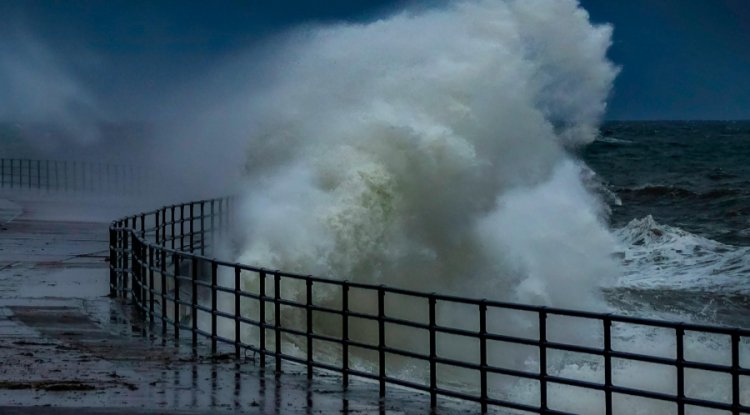
The annual review from the CCAC stated that there is a need to speed up the implementation of climate adaptation measures across various sectors, such as transport, water, electricity, and communication infrastructure in Ireland. Risks associated with climate adaptation were mentioned concerning coastal flooding, storms, and public health and community effects.
There is a need to have greater coordination between national and local government authorities, in addition to having funding sources to support climate adaptation measures. There is also a need to consider climate adaptation when planning infrastructure projects and public investments.
The current period has brought several forms of climatic disruptions in Ireland, such as flooding, erosion, and storms. From the Climate Survey conducted by the European Investment Bank, 96 percent of Irish people agreed that there was a need for the implementation of climate change adaptation actions in the country, with 90 percent supporting investment in climate change adaptation projects.
From the review, it is clear that adaptation strategies need better clarity regarding implementation goals, monitoring approaches, and appropriate funding mechanisms. Furthermore, the council emphasized permanent financial backing for climate roles in local government and regional climate offices.
It is found that the national climate change risk assessment conducted in Ireland indicated the presence of 115 climate risks affecting various industries, including energy, biodiversity, food security, infrastructure, and public utilities. Out of these, 43 risks needed urgent intervention by policymakers.
Based on the guidelines provided by the national adaptation framework, various government departments need to develop industry-specific strategies related to the electricity grid, communication network, transport, and water infrastructure. These guidelines require an analysis of climate risks during policy and infrastructure development.
Nature-based solutions and restoration of habitats were found to be useful in addressing climate risks from the review. Long-term investments in flood and coastal risk management and infrastructure were recommended.
These results coincide with a period where several countries in Europe are experiencing increased expenses due to climate damage and disruptions in their infrastructure. In Ireland, climate adaptations are predicted to form a greater portion of expenditures in the future.
What's Your Reaction?