Jharkhand Faces Flash Flood Risk in 19 Districts
The India Meteorological Department (IMD) has issued a flash flood alert across 19 districts in Jharkhand until July 16, 2025, due to a monsoon depression bringing over 200 mm of rainfall. Areas like Ranchi, Dhanbad, and Palamu face waterlogging, school closures, and rising river levels, particularly the Subarnarekha. Climate change is amplifying monsoon severity, with Jharkhand’s 62% rainfall surplus and deforestation worsening absorption. With only 30% flood-prone zones equipped with early-warning systems and a ₹500 crore relief fund, the state’s preparedness is under strain. Urgent infrastructure upgrades and community-led resilience are essential for disaster response.
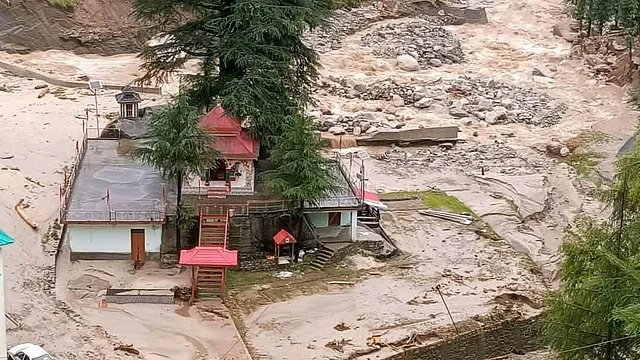
The India Meteorological Department (IMD) has issued a flash flood alert for 19 Jharkhand districts until July 16, 2025, due to heavy rainfall from a monsoon depression. This warning highlights climate-driven risks and the need for robust disaster preparedness.
The alert covers Bokaro, East Singhbhum, Giridih, Gumla, Khunti, Latehar, Lohardaga, Palamu, Ramgarh, Ranchi, Saraikela, Simdega, West Singhbhum, Dhanbad, Garhwa, Koderma, Jamtara, Deoghar, and Dumka, with rainfall exceeding 200 mm expected in some areas. An orange alert for very heavy rainfall is in place until July 17, driven by a depression moving northwest from West Bengal. Jharkhand recorded 62% surplus rainfall (527.6 mm) from June 1 to July 14, causing waterlogging and school closures. Rivers like the Subarnarekha are near danger levels, prompting warnings to avoid riverbanks.
Climate change, with warmer air holding 7% more moisture per 1°C rise, intensifies monsoon patterns, increasing flood risks. Jharkhand’s inadequate drainage systems and deforestation, reducing soil absorption by 15%, exacerbate impacts. Posts on X express concern over delayed evacuations and infrastructure damage. The state’s disaster management has deployed 500 rescue personnel, but only 30% of flood-prone areas have early-warning systems.
India’s broader monsoon challenges, with 20% more flood events in 2023 than the 2000–2010 average, demand investment in flood barriers and forecasting. Jharkhand’s ₹500 crore relief fund is insufficient for the 1.6 million affected annually. Community-led monitoring, as seen in Wular Lake’s revival, could enhance resilience.
Jharkhand’s flood alert underscores the growing threat of climate-driven disasters. Strengthening infrastructure and early-warning systems is critical to protect lives and livelihoods.
Source: Outlook Business
What's Your Reaction?