Kirklees to Install EV Charging Points in 23 Locations with £3.8M Boost
Kirklees Council will begin installing EV charging points at over 20 locations using £3.8M in funding from the LEVI Fund and private investment. The phased rollout will support net zero goals and focus on priority and high-density areas, with full implementation expected by 2027.
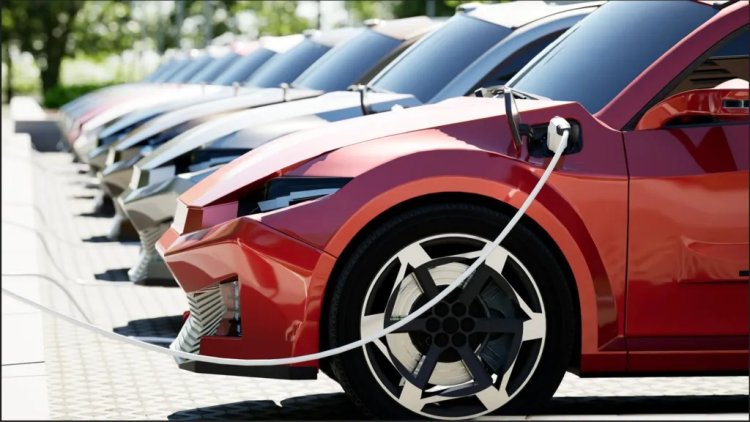
Over 20 sites throughout Kirklees will be equipped with electric vehicle (EV) charging points this summer, as a £3.8m investment programme begins. £2.5m is being provided by the Local Electric Vehicle Infrastructure (LEVI) Fund via the West Yorkshire Combined Authority, while private suppliers will cover the balance of the investment. The project aligns with the Kirklees Council's agenda of climate readiness and reaching the net zero goal by 2038. A two-stage rollout of the installation of the EV points will be executed, of which stage one is the installation in the 23 listed venues starting this summer of 2025. A top priority will be assigned to three pilot locations: Spring Wood Street, Huddersfield, New Street Car Park, Honley, and Shaw Cross Community Centre, Dewsbury. The first three will see installation of chargers, with the rest at other locations across Batley, Birstall, Dewsbury, Holmfirth, Huddersfield, Cleckheaton, Heckmondwike, Netherton, Denby Dale, Cowersley, Skelmanthorpe, Emley, Liversedge, and Moldgreen after these have been installed at the first three.
In the second phase, on-street charging points will be fitted in residential areas of terraced housing where ordinary parking space is restricted. It will be delivered by 2026/27. The council is considering where parking demand is greatest and intends to enhance access to EV charging for those residents who lack off-street parking facilities. Although the provision of chargers in public car parks could lead to a loss of parking revenue from pay-and-display machines, a fresh source of revenue will be generated through leasing arrangements with EV charging providers.
Each standard charging bay will bring in some £130 per year, fast charge bays some £160 and rapid chargers £1,200 annually. In 15 years that is roughly an extra £415,500 for Kirklees Council. At the end of the lease the council can roll contracts over or make providers take gear away and return land to original condition. Even though the council has no intentions of charging to use EV bays within the duration of the lease, charging models in the future can either be introduced by the charging operator or the local council. This may be either through a permit scheme or payment to use, as a measure to best deal with supply and make best use of the equipment.
The plans for the council to increase electric vehicle charging points are all in accordance with an overarching regional and national transport decarbonisation strategy. They are also in alignment with other actions taken in other areas of clean energy and sustainable transport throughout West Yorkshire. With demand for EVs continuing to rise, provision of sufficient public charging points is amongst the main facilitators to the attainment of climate and cleaner air quality ambitions across urban and suburban environments. Phased rollout will enable the council to track implementation difficulties, uptake patterns, and consumer sentiment prior to widespread rollout.
The program sponsored by LEVI, aside from giving funds, seeks to initiate the switch towards electric mobility through closing gaps in infrastructure, particularly in populated metropolitan cities. Cooperations of private sector providers ensure that deployment becomes economically feasible and capitalizes on the skills and operational potential of established EV infrastructure businesses. The strategy also addresses residents' concerns about the installation of charging points in priority areas in Kirklees, especially where private driveways are not prevalent. As rollout continues, the council will continue to monitor and address site-specific concerns and stakeholder feedback to achieve maximum effectiveness and usability of each charging point.
By supporting the transition to more residents having electric vehicles, the initiative supports longer-term emission reduction, energy efficiency, and advance planning for regulation and environmental drivers. This helps both Kirklees Council's internal climate targets and wider national net zero targets. Given the transport sector remains a principal contributor to UK greenhouse gas emissions, measures such as this become increasingly important in meeting changing policy demands and sustainability requirements.
As Kirklees is poised to enter the implementation stage, continued coordination among the council, private providers, and community stakeholders will be necessary. The success of this project would also be made a precedent for other comparable local councils contemplating the adoption of cost-effective and scalable solutions to address the increasing demand for EV charging points. With £3.8 million of private sector investment and funding, this is a big step forward to ready Kirklees for a greener, more connected transport future.
Source and Credits:
Source: Local Democracy Reporting Service via BBC News
Credits: Abigail Marlow, BBC
What's Your Reaction?