The government is closely monitoring the developing El Niño weather pattern and taking steps to support farmers and reduce risks to agriculture ahead of the monsoon season.
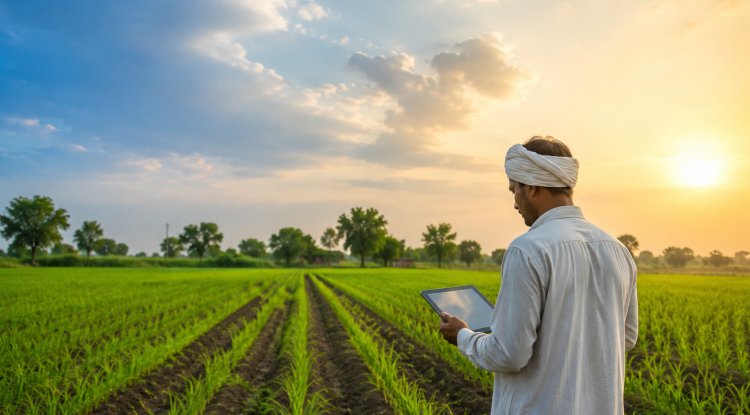
The government is closely following the evolving El -Nino weather pattern that could impact water resources and agriculture; farmers' interests will be protected, says Madhya Pradesh Chief Minister Mohan Yadav.
A periodic warming of the Pacific Ocean is known as El Niño and has been found to affect worldwide atmospheric phenomena, which frequently result in irregular rainfall patterns and rising temperatures in India. With the approaching monsoon season, efforts are being made to predict the likely distribution of rainfall that will impact sowing and crop growth and the water availability for the critical agricultural belts.
The need of the hour is to strengthen climate-resilient agricultural practices and take steps for mitigating the risk, Mohan Yadav added, adding that the government has already started preparatory work for this. “Authorities are coordinating with agriculture departments, weather experts and district-level stakeholders, in order to ensure measures have been put in place for contingency planning in case a dry spell, delayed rains or heat stress occurs along with El Niño.
The Chief Minister added farmers will play a crucial role in the economy of the State, and efforts will focus on providing assistance for crop planning, providing irrigation facilities and availability of inputs such as seeds and fertilisers to the farmers. It would also increase the use of early warning systems, particularly for better soil moisture monitoring and crop advice, to help farmers in real time, officials said.
he India Meteorological Department (IMD) has indicated that the changing El Niño phenomenon might impact the monsoon behaviour but its impact would become clearer as the season progresses. The government stated that these weather forecasts will be used in conjunction with agricultural planning models available to assist farmers in adjusting crop production and minimising agricultural risks.
The state government said activities were underway to improve water conservation, including installation of check dams, micro-irrigation systems and effective water use technologies to mitigate the impacts of precipitation variability.
Farmers' associations enthusiastically welcomed the proactive approach and recognised that timely outreach and advisory support can have an impact when addressing vulnerabilities to climate-related risks such as droughts or heat.
The government assured that it would closely monitor the weather situation and the support will be delivered in the form of protection and financial assistance, advisory services and other support measures to farming communities in advance of the monsoon.
What's Your Reaction?