A global study finds beef production is the leading cause of agriculture-driven deforestation, while staple crops such as rice, maize and cassava contribute more forest loss than several export commodities.
According to an international study, agricultural products causing the most deforestation have been identified, with beef being identified as the biggest culprit. Other staple foods like rice, maize, and cassava take up a bigger share than some commonly studied agricultural commodities.
This study was published in the journal Nature Food by scientists from Chalmers University of Technology, Sweden. The study covered 179 countries between 2001 and 2022.
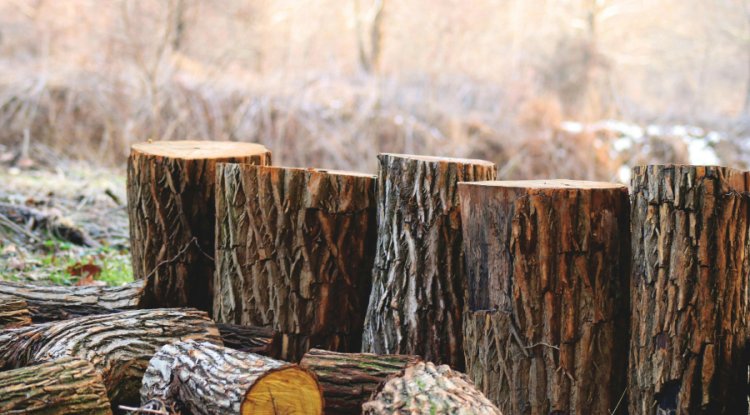
As revealed by the study, around 122 million hectares of forests have been cut down for agricultural purposes. Around 86 percent of the deforestation has been reported in tropical countries.
The production of beef contributed to 40 percent of agriculture-induced deforestation. Palm oil contributed to 9 percent of the same, while soybeans contributed to 5 percent.
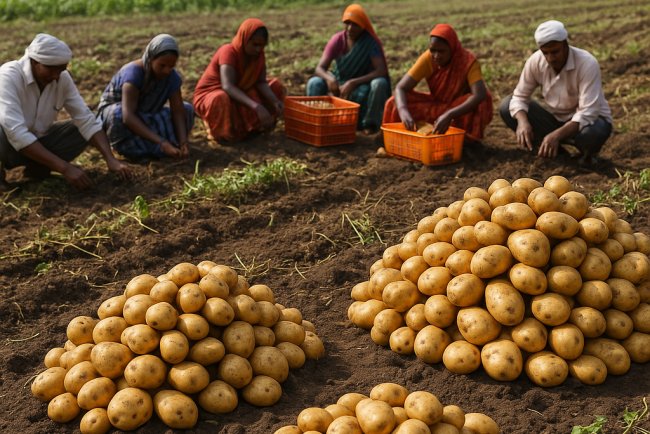
Moreover, staple crops also made a considerable contribution. Maize and rice each constituted 4% of total deforestation caused by agriculture worldwide, and cassava 3%. Altogether, these three crops accounted for about 11% of deforestation related to the growth of the agricultural sector.
It should be noted that global attention and actions have traditionally been paid to commodities like cocoa, coffee, and rubber because of their involvement in the global supply chains. However, according to this study, these products have a smaller contribution and account for less than 5% of deforestation caused by the agricultural sector.
Thus, it can be stated that the major part of deforestation is caused by the cultivation of food for domestic consumption rather than by the production of commodities for international trade.
The research also investigated regions that are most affected by deforestation caused by commodities. It turned out that Brazil is the leader with the largest percentage of agriculture-related deforestation, equal to 32% during the research period. Indonesia has 9%, China and DRC – 6% each, while the United States has 5%.
According to the researchers' calculations, deforestation caused by agriculture resulted in the emission of 41.2 gigatonnes of CO2 between 2001 and 2022.
The authors said the results show that efforts to reduce deforestation may need to address both internationally traded commodities and staple crops grown for domestic markets. They added that understanding the specific commodities driving forest loss can help inform policies aimed at protecting forests while meeting food production needs.
What's Your Reaction?