Maharashtra’s Jalyukt Shivar 2.0 initiative aims to improve groundwater recharge, desilt water bodies, and enhance drought resilience through community-led water management.
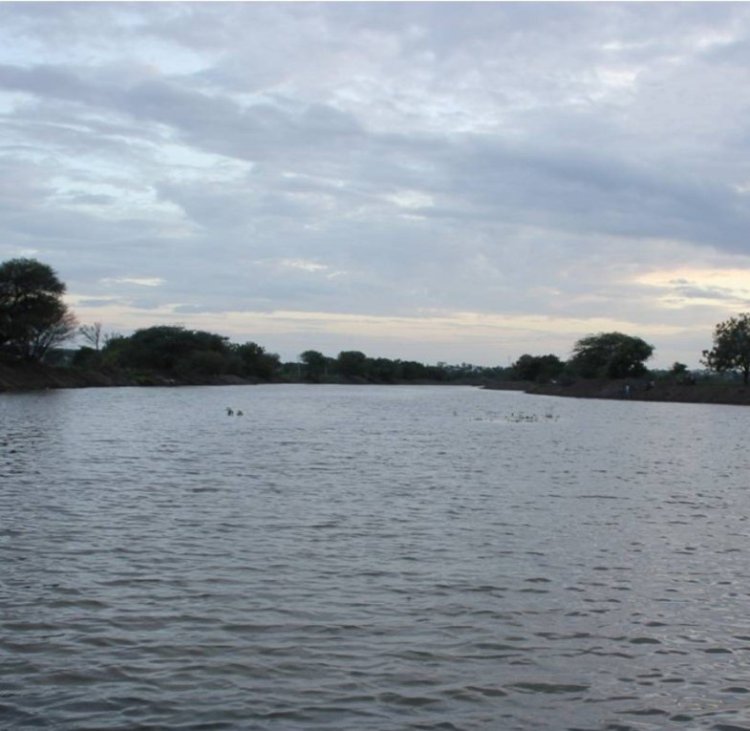
Maharashtra has undertaken a huge initiative to combat water scarcity through Jalyukt Shivar 2.0, a joint initiative of the State of Maharashtra and The Art of Living Social Projects. The major focus of this initiative is to desilt rivers, lakes, and ponds and to increase groundwater recharge and community-based water management practices in drought-affected areas.
Groundwater Crisis in India
India has a very high dependency on groundwater. It is estimated that 80% of agricultural production and domestic use of water is met through groundwater. There has been a lag between groundwater availability and groundwater extraction over the years. Groundwater tables have been falling over the years owing to over-extraction of groundwater supply. It is estimated that India is extracting 239 trillion liters of groundwater every year, while only 6% of rainfall is captured or stored. It is also estimated that almost 100% of rainfall is either flowing through a river or ending up in the ocean. There is disruption of the hydrological cycle owing to a change in the pattern of rain, thereby increasing water stress in India.
Balancing Drought and Floods
Maharashtra has a history of alternating drought and flood cycles. The irregularity in monsoon patterns results in both limited water availability during dry periods, and excessive run-off in wet periods. As a result of the siltation of rivers and streams, there is less water stored as surface water, and less groundwater is recharged, thus encouraging farmers to use bore wells and deeper wells to obtain water, which has lowered the water table. Communities face losses to crops, lower agricultural productivity, and reliance on tanker trucks for water. Experts point out that water management, as well as rainfall patterns present significant challenges.
Jalyukt Shivar 2.0 Goals and Approach
Jalyukt Shivar is a program that was launched to help make Maharashtra drought free by giving farmers, villages and entire communities access to water through the capturing of rain and by capturing rain via groundwater recharge. By restoring the natural systems for holding water, the aim is to convert short monsoon seasons into a year-round source of security (water) for farmers and villages, allowing them to grow all their crops year-round.
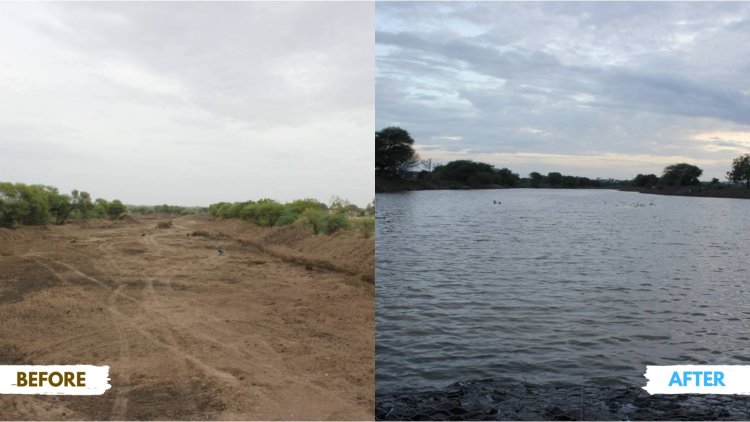
In all phases of the program, rivers, streams, ponds and lakes are revitalised through the processes of de-silting, deepening and widening channels. When silt is removed from the water holding bodies (streams, rivers or lakes) it is taken to use in places that are not growing anything. (land/horticulture) This de-silting improves the fertility of land thereby improving agricultural food production. The initiative has scientifically and systematically improved the rate of water infiltration, from approximately 6% to between 25 to 35%.
The first phase of the programme (2013 to 2019) was focused on the desilting of riverbanks in the droughtridden areas, deepening of streams and the provision of water storage facilities in these areas (through de-silting, etc). The second phase of the initiative (2024 to 2026) will take the successes of the first phase and expand on them while undertaking additional actions to help provide longterm water security in these same areas. The programme has successfully removed over 29 million cubic metres of silt, captured over 67 million litres of water, and benefiting over 1.2 million people.
Impact on Agriculture
Benefits at the farm level include increased crop production, stronger financial stability associated with multiple crops each year, and greater flood protection from widening and desilting streams. Also, farmers will have reduced exposure to drought due to the creation of new aquifers through aquifer recharge techniques.
National Recognition
The program has received national recognition from the Ministry of Jal Shakti as evidenced by receiving two awards: Best Civil Society at the 6th National Water Awards (November 2025) and Best NGO under Jal Sanchay Jan Bhagidari for contributions toward sustainable water use and water resource conservation.
Experts consider the Jalyukt Shivar 2.0 program to be a successful case study in science-based, community-driven water management, and have pointed out that protecting sources of water is an essential step toward providing long-term sustainability and resilience in India’s drought-prone areas.
What's Your Reaction?