Mahindra is taking electric vehicles beyond metro cities by launching EVs in Tier 2 and 3 cities in India. The initiative supports local infrastructure, boosts sustainable transport, and aligns with India's green goals.Mahindra Group expands its EV network into Tier 2 and 3 cities across India, aiming to boost clean mobility, create sustainable infrastructure, and support India’s net-zero goals under its ESG framework.
Mahindra Group is accelerating its electric vehicle (EV) push by expanding its presence into India’s Tier 2 and Tier 3 cities. As part of its ESG (Environmental, Social, and Governance) strategy, the company aims to broaden access to clean mobility while aligning with national sustainability targets and reducing overall carbon emissions.
The move is a strategic shift from Mahindra's earlier EV rollouts, which were focused primarily on urban centers and metro cities. By targeting smaller towns and semi-urban regions, the company is addressing a growing demand for affordable and sustainable transportation options. These cities, often underserved in terms of green infrastructure, represent a significant growth opportunity for the EV market in India.
Mahindra’s expansion is being facilitated through a combination of localized dealerships, service networks, and customized financing plans. The company is working closely with state governments and regional partners to build the necessary ecosystem for EV adoption, including charging infrastructure and technical support. This approach aims to bridge the urban-rural EV adoption gap and create a more inclusive green transition.
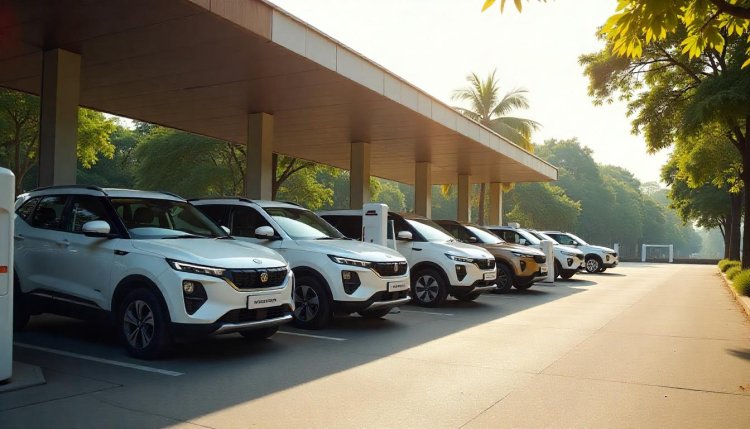
The company is prioritizing its electric SUV and commercial vehicle segments in this rollout, with models designed for reliability, lower maintenance, and adaptability to varying road conditions in smaller towns. The rollout includes the popular XUV400 EV and Treo Zor, both of which are already operational in selected rural belts. Mahindra is also leveraging its digital platform for online bookings, vehicle tracking, and remote diagnostics to provide seamless customer service in these regions.
To support this expansion, Mahindra is collaborating with public and private partners to install fast-charging stations in high-traffic zones such as bus depots, highway rest stops, and city centers. These initiatives are expected to reduce range anxiety, which remains one of the major concerns for potential EV users outside metro areas.
This expansion aligns with India's broader climate objectives under the FAME II (Faster Adoption and Manufacturing of Hybrid and Electric Vehicles) scheme and the nation’s target of reaching net-zero emissions by 2070. Mahindra’s efforts contribute not only to reducing vehicular emissions but also to creating employment opportunities and improving last-mile connectivity in rural and semi-urban India.
In addition to environmental benefits, the economic aspect of this rollout is also significant. By making EVs more accessible in these regions, Mahindra is tapping into a new consumer base while also encouraging the growth of ancillary industries such as battery recycling, EV servicing, and local component manufacturing.
With this move, Mahindra is positioning itself as a key player in India's EV transformation, not only in urban landscapes but across the wider national territory. As the company continues to scale its operations and deepen its market reach, the impact of this initiative is expected to be both environmentally and socially transformative.
What's Your Reaction?