Monsoon Revival Boosts Kharif Sowing in India 2025
India’s 2025 monsoon, with above-normal rainfall, has boosted kharif sowing, supporting agricultural growth and economic stability.India’s 2025 monsoon revival drives kharif sowing with 105% rainfall, boosting agriculture and economy in key regions.

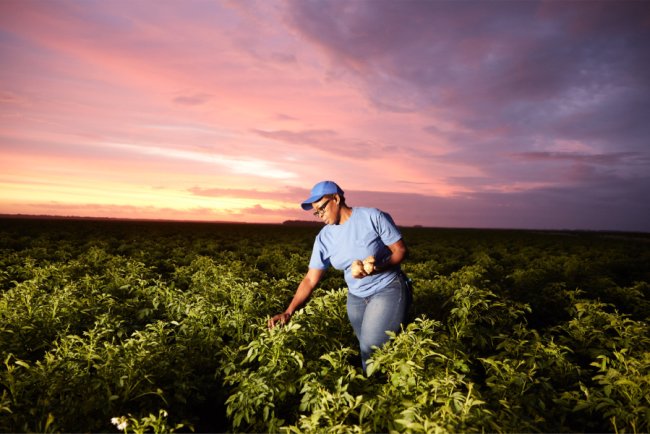
India’s 2025 monsoon, forecasted to deliver above-normal rainfall, has revitalized kharif sowing, offering hope for agricultural growth. The India Meteorological Department’s prediction of 105% of average rainfall has spurred planting across key regions, supporting crops like rice and pulses. This revival is critical for India’s economy, where agriculture employs 42.3% of the population and contributes 18.2% to GDP.
The 2025 southwest monsoon, spanning June to September, arrived on time, covering most of India by early July. The India Meteorological Department forecasted rainfall at 105% of the long-period average of 87 cm, with a 5% margin of error. This strong monsoon has driven a surge in kharif sowing, particularly in states like Punjab, Haryana, and Madhya Pradesh. Crops such as rice, pulses, and oilseeds have seen increased planting, with sowing areas exceeding 2024 figures by 10-15% in some regions.
The monsoon’s timely onset and consistent rainfall have alleviated concerns from previous years’ erratic patterns, which disrupted yields and food prices. Areas like Marathwada and Telangana, previously rain-deficient, are expected to receive above-normal showers, boosting farmer confidence. However, Tamil Nadu and parts of the northeast may see below-normal rainfall, posing challenges for local agriculture. The government has promoted drought-resistant seeds and irrigation support to mitigate risks in these areas.
A robust monsoon is vital for India’s agriculture sector, which supports 42.3% of the population and contributes 18.2% to GDP. Good rainfall stabilizes food prices, curbs inflation, and enhances rural demand, enabling India to export staples like rice. The 2025 forecast supports projections of higher agricultural growth in FY25, potentially easing pressure on the Reserve Bank of India’s inflation targets. Challenges include ensuring equitable water distribution and addressing potential flooding in low-lying areas.
The government’s focus on modernizing agriculture, through schemes like PM Krishi Sinchayee Yojana, complements the monsoon’s benefits. Investments in storage and supply chain infrastructure aim to minimize post-harvest losses, ensuring farmers maximize profits. The monsoon revival underscores the sector’s resilience, but long-term sustainability requires addressing climate variability and soil degradation.
Source: Outlook Business
What's Your Reaction?