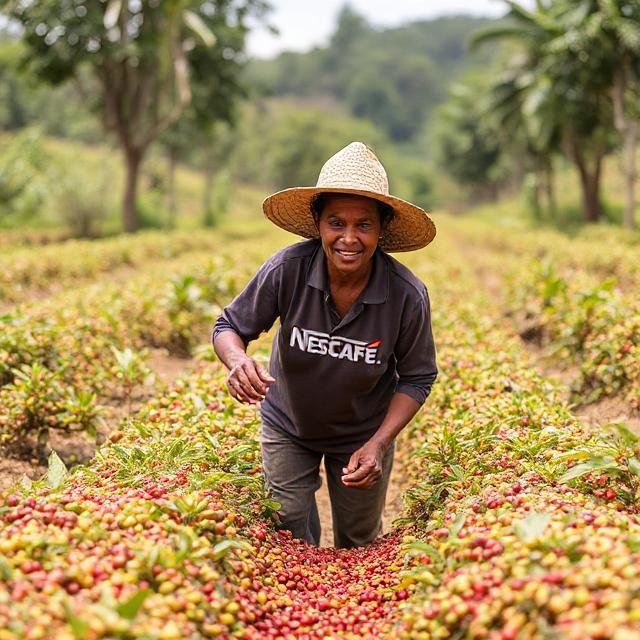
Nescafé Support to the Livelihood and Sustainability of Coffee Farmers
The international coffee brand Nescafé has been consistently devoted to the livelihood of coffee farmers globally and sustainability. The corporation has realized that the farmer is an important part of the coffee chain and has labored long-term towards positively contributing to their livelihood and the environment too.
Coffee is associated with various problems, including coffee price volatility, climate change, and the aging of the farm workforce. All these are farmer productivity and income concerns. Nescafé has therefore launched a range of programs whose objectives are to empower farmers, increase income security, make it simple to access quality resources, and encourage environmentally sustainable agriculture.
Supporting Farmer Livelihoods
One of the most important ways through which Nescafé has been assisting farmers is by its Nescafé Plan, a program that is aimed at assisting the farmers in enhancing the quality and volume of coffee. Since its inception, the plan has been committed to training the farmers with expertise in sustainable agriculture, enhancing access to quality inputs, and linking them to rewarding markets. In doing this, Nescafé not only inspires the farmers to produce good coffee but also increase their earning potential by providing them with a secure and safe platform on which they can sell their products.
Nescafé has also engaged with grassroots cooperatives and other stakeholders in order to lend support and finances to farmers. This is done so that the farmers can use the finances to invest in machines and equipment used to enhance productivity, and guided coffee farms. The company has directly interacted with farmers in thousands of cases in leading coffee-producing countries like Brazil, Vietnam, and Colombia.
Encouraging Sustainable Practices
Nescafé is sustainable. Nescafé realizes that future coffee production relies on sustainable farming practice that conserves the world and saves resources for future generations. Nescafé encourages agroforestry and other sustainable farming that reduces the environmental impact of coffee production through the Nescafé Plan.
Shade-grown coffee cultivation is among the widest approaches to getting sustainable. It involves sowing the coffee beneath the canopies of the large trees, as much as is possible, and maintaining diversity and soil integrity in a manner of lowering the coffee's carbon impact. It maximizes the coffee bean's quality for quality final products to be received by the consumer and the producer getting high returns.
Besides that, Nescafé is also minimizing its carbon footprint through sustainable operations in its value chain. Nescafé is also working towards zero-carbon emissions by minimizing the greenhouse gas emissions from coffee cultivation, packaging manufacturing, and transportation. Nescafé also works with farmers to enhance water management systems and minimize the use of harmful chemicals for coffee development.
Nescafé's Alliance with Farmers
Nescafé's strong commitment towards sustainability and assistance is not merely a question of investment or training. It has taken one-to-one commitment with farmers and has direct interaction and communication with farmers to listen from them what they require and care for. Nescafé tried to make the chain transparent whereby the farmers receive fair value for their produce and are remunerated for sustainability practice.
The company also develops farmers of the future through youth development and mentorship programs in coffee farming. It matters as farmers of the future are gradually aging, yet most young people leave the agricultural sector to pursue other opportunities. This guarantees the long-term survival of the industry through the future investment of the farmers in coffee.
Impact on Coffee Communities
Nescafé's promise to empower the farmers has been the driving force for societies. Through farmer education, sustainable farming and equitable payment, the organization has been able to improve the welfare of numerous families. The farmers are able to use their increased revenues within the societies and therefore create a cycle of development.
Above this, a focus on sustainability has seen improved conditions for the coffee farm environment. Coffee develops from subsistence farms through sustainable cultivation, something which can preserve forests from being used up, enrich soils, and preserve local wildlife. It affects not only the world of coffee, however, but society in general as well.
Conclusion
The efforts of Nescafé have created a revolutionary transformation among the coffee farmers and society. Nescafé's emphasis on enhancing livelihoods, enhancing sustainability, and creating long-term relationships with coffee farmers is defining the future of coffee farming. In achieving these objectives, Nescafé is building a better and sustainable world for coffee farmers, consumers, and generations to come.
By assisting farmers and encouraging sustainable methods, Nescafé is still a member of the global coffee community but trying to play its part in helping to resolve problems for farmers today. What the company does is not simply deliver a quality product but give back in the long run to those who start producing coffee.
Source: Nescafé Official Reports and Public Statements
What's Your Reaction?