Virtual Reality Boosts Environmental Awareness and Donations, Study Finds
A study by the University of Cologne reveals that virtual reality (VR) videos enhance environmental awareness and increase donation willingness compared to traditional media formats. The findings highlight VR's potential for boosting engagement in environmental campaigns.
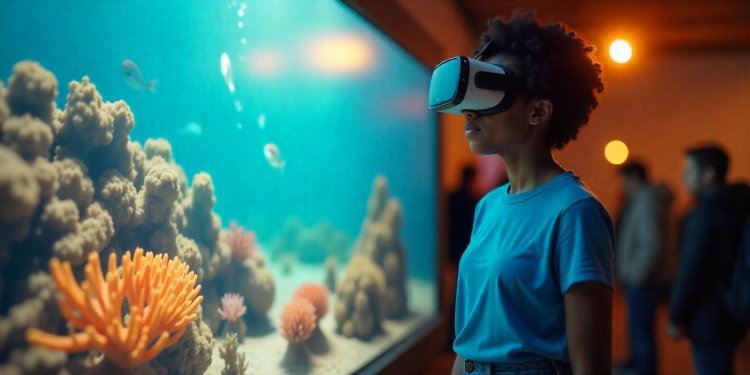
A recent study by the University of Cologne found that virtual reality (VR) videos have the ability to boost environmental awareness and donations to ecological causes significantly. The study, published in Computers in Human Behavior, contrasted VR videos with traditional forms of media such as 2D videos, audio, and text. According to the findings, interactive VR experiences create a more profound emotional connection, encouraging the audience to take action.
The study aimed at establishing how different types of media influence people's relation with environmental issues. Many institutions struggle to raise awareness about distant environmental issues, and so it is difficult to advocate for effective action. VR technology has emerged to be an effective solution, where users get presence in a virtual environment.
Scientists tested 128 participants in four groups. All groups viewed the same ecological documentaries in four different ways: 360° VR videos, TV 2D videos, audio-only (such as a podcast), and text content. Participants measured how much they were engaged, emotionally affected, and motivated to act on behalf of environmental causes after hearing or viewing.
The results showed that VR videos were most effective in making the participants feel as if they were physically present in the scene. Participants who watched in VR also showed higher engagement with the story and affective response. This higher engagement carried over to higher willingness to donate and behave for environmental protection. Compared to other forms of media, VR was the most effective instrument in altering attitudes and behaviors.
The study indicates growing application of VR in mass media campaigns. As other formats offer a passive experience, VR offers an active experience, providing a rich emotional experience that deepens emotional connections. This makes it a central tool for organizations that aim to intensify outreach programs and boost support for environmental causes.
Conclusion
With increasing environmental issues, new communication strategies are required. The University of Cologne research points to the potential of VR to make awareness a call to action. By bringing about the feeling of immediacy and tangibility, VR can shatter the manner in which organizations impart messages to the public. Future media efforts will be shaped by the findings, and the application of immersive technology in public campaigns will be encouraged.
Source and Credits:
University of Cologne study published in Computers in Human Behavior.
What's Your Reaction?