France debates using surplus nuclear power for Bitcoin mining—supporters cite value from otherwise wasted energy, critics highlight environmental and policy concerns. The decision could set a precedent in energy and digital regulation. Source: Sustainability Times.
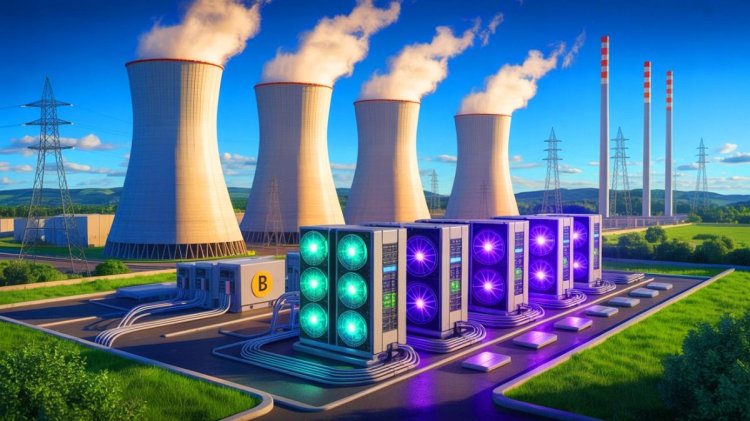
France, already a European leader in nuclear power generation, is exploring a new direction by proposing to use surplus nuclear energy for Bitcoin mining. The state utility, Électricité de France (EDF), may soon channel excess electricity from its nuclear fleet into digital asset production under a draft bill supported by the right-wing Rassemblement National (RN) party. Advocates see this as a way to capitalise on energy that would otherwise be wasted, potentially providing new revenue and cementing France’s status in the digital economy. Previous parallels include Pakistan’s use of coal-plant capacity for crypto mining and similar renewable-driven projects in South America.
The proposal involves locating mining operations directly at nuclear plants, allowing EDF to monetise the significant proportion of heat generated by reactors that doesn’t make it to the grid. Supporters argue this would not increase the nation’s overall energy consumption but rather make use of existing surplus, thereby creating economic value from low-carbon energy. The initiative would require close collaboration between EDF and the cryptocurrency sector, as well as legislative controls to prevent unchecked environmental or financial risk.
Reactions remain sharply split. While RN has reversed its historic skepticism toward cryptocurrencies in pursuit of digital innovation, left-leaning opponents have raised concerns over Bitcoin’s high energy use, the potential for environmental harm, and the risk of illicit activity. With annual Bitcoin network consumption projected to soon match that of mid-sized nations, the environmental stakes of pairing mining with nuclear power are considerable—though arguably lower than if the same activity relied on fossil fuels.
Success will depend on regulatory design and the willingness of EDF to participate, with the proposal currently in legislative review. The outcome could set a benchmark for other nations balancing surplus energy management, digital policy, and environmental responsibility.
What's Your Reaction?