The Ocean Cleanup has begun operations in Mumbai under its 30 Cities Program to address river-based plastic waste. Interception systems are planned for the Trombay and Malad waterways in 2026 following a regional waste assessment.
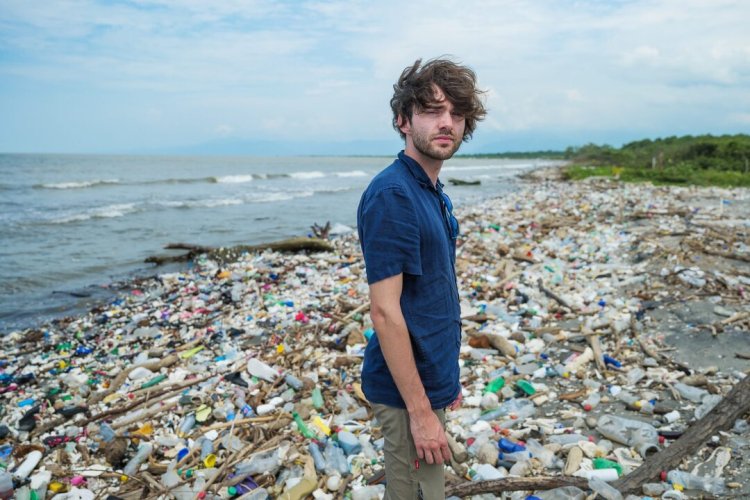
The Ocean Cleanup, a Netherlands-based non-profit organisation that develops systems to remove plastic from oceans and rivers, has begun operations in India to address river-based plastic waste in Mumbai under its 30 Cities Program.
Mumbai has been identified as one of 30 cities contributing a significant share of global river plastic emissions. The selection was based on data analysis of urban areas where river waste flows into the sea.
Boyan Slat, founder and chief executive of The Ocean Cleanup, said in a statement that preventing waste from reaching the ocean is necessary to reduce marine plastic pollution.
The India initiative follows a Smart Rivers Survey conducted across the Mumbai metropolitan region. The survey used drones, AI-enabled cameras, GPS drifters and global waste data registries to assess river plastic flows. The findings were used to identify waterways for intervention.
The survey estimates that Mumbai releases about five million kilograms of plastic into the Arabian Sea annually. The discharge affects 220 kilometres of coastline and 152 square kilometres of mangroves. It also impacts 107 protected species and approximately 1.9 million livelihoods linked to coastal ecosystems.
Research cited by the organisation states that plastic constitutes 80 per cent of marine litter along India’s coastline.
Trombay and Malad waterways identified
Data analysis identified the Trombay and Malad waterways as initial deployment sites due to their contribution to river plastic flows.
The Ocean Cleanup plans to install interception systems at both locations in 2026. The systems are projected to recover between 61 and 92 tonnes of plastic per year. The barriers are designed to capture debris within river channels before it reaches open waters.
According to research cited by the organisation, 1,000 rivers account for nearly 80 per cent of plastic entering oceans globally. The 30 Cities Program focuses on urban river systems with high estimated leakage volumes.
Mumbai was selected based on the scale of plastic discharge and its environmental and economic impact. The city’s waterways empty into the Arabian Sea.
Coordination with local authorities
The installations will be carried out in coordination with the Municipal Corporation of Greater Mumbai and the Maharashtra Pollution Control Board.
The organisation stated that site performance data from Mumbai will inform potential expansion to other Indian cities under the 30 Cities Program.
What's Your Reaction?