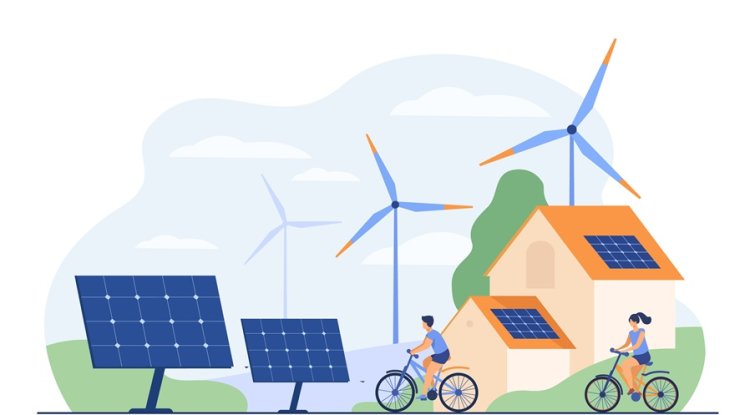
This Earth Day, let us recognise that small, consistent actions drive real change, and take a moment to reflect on what each of us, as responsible individuals, can do to move it forward, writes the author
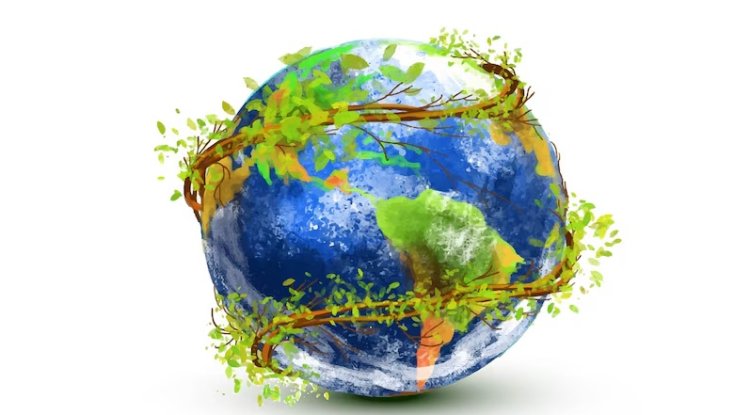
World Earth Day 2026, with its theme "Our Power, Our Planet," marks an important shift. The conversation is moving from intent to action, placing greater emphasis on what we do, how consistently we follow through, and how our actions are beginning to matter more than our words.
As sustainability moves beyond dialogue, this shift needs to reflect in everyday behaviour. Segregating waste, using resources thoughtfully, and taking accountability for our actions can drive progress that is habit-based and value-led, becoming part of who we are as residents of the planet. This is where real change begins, when awareness translates into consistent action.
This understanding led to the EcoGram project, aimed at creating a model-Gram panchayat by building processes and infrastructure for sustainable decentralised waste management, soil quality and water conservation, to lay a strong foundation for future growth. The project mobilises the residents and communities to make them educated and responsible, and more so, care for the environment.
Today, EcoGram operates across 10 villages in Bettalasuru Gram Panchayat, North Bangalore. Households practice waste segregation at source before collection. Each home has a QR code that collection staff scan to assess and track segregation levels. Accountability is key in the process as households are fined if standards aren’t met, and improper dumping is penalised. Regular door-to-door awareness drives and clean-up campaigns keep residents engaged, while children participate through sessions called Trashonomics. Beyond its scale, the real impact lies in changing mindsets where waste is no longer ignored. There is growing awareness that it can be managed, reused, and valued, with shared responsibility.
What began with 471 waste generators in 2016 has grown to over 5,000+ today, shaped by the everyday participation of residents. A 96.5% segregation rate, 1,500+ MT of dry waste recycled, and 8,600+ trees saved so far reflect consistent effort and shared commitment. As the journey continues, these habit-driven changes become part of daily life, creating a sense of care, ownership, and trust within the community. This is where the concept of Our Power finds its strongest meaning and relevance.
Our power to create lasting real impact cannot be achieved solely through large-scale systemic advances or resource-based interventions. The scale of the environmental challenges we face today requires far greater collaboration than what currently exists. No single entity can independently drive the level of impact needed to address these challenges or create meaningful change.
As corporates, we carry a responsibility to give back by enabling people with the knowledge and tools to make informed choices. Collaboration becomes essential in this journey, as environmental challenges are real and multifold. Businesses, governments, and communities coming together by sharing what we've learned, building ecosystems where sustainability isn't a competitive advantage but a shared baseline, and scaling up best practices would be the way forward to accelerate real change.
Climate change, resource depletion, and environmental degradation are serious challenges that demand more than intent. They call for sustained, measurable efforts that embed sustainability into everyday life. While progress has been made, it cannot be the endpoint. It should become the foundation to build on, encouraging us to go further and do more.
“Our Planet” is a simple idea in meaning. It is the air we breathe, the soil we depend on, and the ecosystems that sustain life. Protecting it is a shared responsibility, not a choice. The ability to act already exists in communities open to change, businesses willing to collaborate, and individuals ready to take responsibility through action.
This Earth Day, let us recognise that small, consistent actions drive real change, and take a moment to reflect on what each of us, as responsible individuals, can do to move it forward.
Views are personal
What's Your Reaction?