Petrol Cars Remain Central as Electric Vehicle Transition Slows
The global shift to electric vehicles is slowed by high costs, charging infrastructure gaps, range anxiety, and grid constraints, keeping petrol and hybrid cars central to automaker strategies while the industry works toward wider EV adoption.
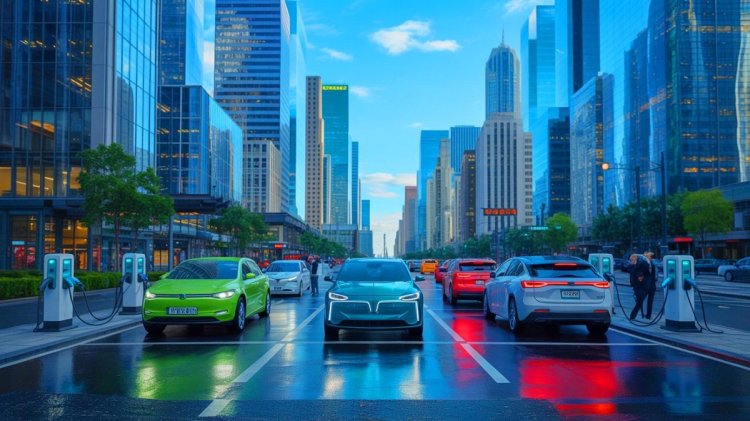
The global automotive sector is in the middle of one of its most significant transformations in decades, as manufacturers and policymakers push for a large-scale shift from internal combustion engine (ICE) vehicles to electric vehicles (EVs). However, despite major investments, technological advancements, and regulatory pressure, the transition is proving slower and more challenging than anticipated. Persistent barriers in consumer adoption, infrastructure readiness, and cost competitiveness are keeping petrol-powered vehicles in production lines as a necessary and profitable fallback option for automakers.
One of the most prominent hurdles remains range anxiety, the fear that EV batteries will not hold sufficient charge for long-distance travel. Even as some manufacturers roll out models capable of over 400 kilometres per charge, for many consumers—especially in emerging markets—such ranges are perceived as inadequate given the uneven distribution of charging facilities. In many countries, the availability of fast-charging stations is concentrated in urban or developed corridors, leaving rural and regional drivers at a disadvantage.
Charging infrastructure is uneven and, in several cases, underdeveloped to meet projected demand. Public charging points are not being deployed fast enough to keep pace with EV sales targets, and a lack of standardisation in charging plug types and payment systems adds complexity for users. For apartment dwellers and those without private garages, home charging remains difficult or impossible, making petrol vehicles more convenient for daily use.
Upfront cost is another decisive factor slowing adoption. Although battery prices have declined considerably over the past decade, they remain the single largest component of an EV’s price, often making EVs more expensive than their petrol counterparts. Government incentives and subsidies offset this gap in some markets, but these are being phased out in places due to budgetary pressures, potentially further reducing uptake.
The resale value of EVs is also uncertain. Rapid advancements in battery technology create concerns that newer models will significantly outperform older ones, leading to steeper depreciation. Additionally, battery replacement costs after warranty periods can be prohibitively high, deterring cost-conscious buyers from investing in EVs.
Energy grid capacity has emerged as a critical pain point. Large-scale EV adoption will markedly increase demand for electricity, potentially straining ageing grids. In some countries, fossil fuels still dominate power generation, meaning increased demand could negate much of the intended environmental benefit unless renewable capacity expands in parallel. Peak-hour charging demand can also lead to stability concerns unless managed with smart-grid solutions, which require further infrastructure upgrades and investment.
From the manufacturer’s perspective, the economics of EV production remain challenging. Mass production is gradually reducing unit costs, but research and development in batteries, powertrains, and charging technologies require substantial ongoing capital. Carmakers have therefore adopted multi-powertrain strategies—continuing to produce petrol, hybrid, and electric models concurrently to meet consumer preferences across different segments. This balance allows producers to maintain profitability during the transition, particularly as petrol models continue to outsell EVs in many markets.
Environmental concerns associated with EV manufacturing also play a role. The mining of lithium, cobalt, and nickel—critical for battery production—raises significant ecological and ethical issues, especially regarding labour practices in certain countries. Recycling of batteries remains limited, with only a fraction of materials being recovered, leaving disposal and environmental contamination risks.
Policy influence is crucial in this transitional phase. Some governments have announced future bans on the sale of new petrol and diesel cars, with dates ranging from 2030 to 2040. However, achieving this requires building infrastructure, incentivising adoption, and ensuring affordability at a scale that is proving difficult. In some regions, pushback from industry and consumers is already causing timelines to be reconsidered.
Meanwhile, hybrid vehicles—combining petrol engines and electric motors—offer a compromise for buyers wanting lower emissions without sacrificing range and refuelling convenience. Many automakers see hybrids as a bridge technology, sustaining cash flow while gradually scaling full EV production.
The global EV market continues to grow, but penetration levels vary widely by country and region. Norway and parts of Western Europe lead adoption due to generous incentives and comprehensive infrastructure. In contrast, much of Asia, Africa, and Latin America remain far behind, with petrol vehicles expected to dominate sales for years to come.
In summary, while EV technology is progressing and environmental policies are pushing the industry forward, the road to full electrification is a drawn-out transition. Petrol and hybrid vehicles continue to play a vital role in meeting present demand, sustaining manufacturing stability, and giving time for infrastructure, affordability, and consumer trust in EVs to develop.
What's Your Reaction?