Plan Approved to Restore Gomti River’s Origin in Pilibhit
The National Mission for Clean Ganga (NMCG) has approved a plan to restore the natural sanctity, biodiversity, and cultural heritage of the Gomti River’s origin at Pilibhit.
NMCG, the National Mission for Clean Ganga, had its 68th Executive Committee meeting, strengthening efforts in ensuring that the Ganga and its tributaries flow clean ('nirmal') and uninterruptedly ('aviral'). The meeting was chaired by Rajeev Kumar Mittal, Director General of NMCG, and took up restoration of river ecosystems and biodiversity, use of nature-based solutions, preservation of cultural heritage, and rapid infrastructure works about river cleaning.
Senior officials from the Ministry of Water Resources, and related agencies, along with project heads from states like West Bengal and Uttar Pradesh, were also present at the meeting to coordinate and review progress on ongoing and upcoming projects.
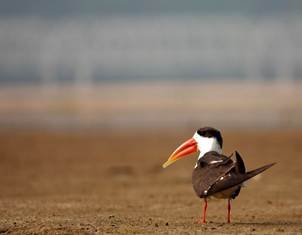
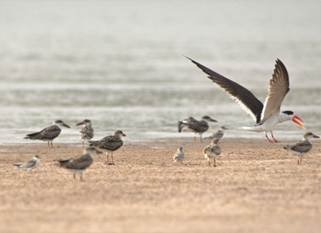
Another important outcome of the meeting was the sanctioning of a new project for the conservation of endangered bird species in the Ganga basin. The new project would focus on safeguarding the breeding sites of sandbar-nesting birds, with a particular emphasis on the threatened Indian Skimmer species. Accordingly, the nesting sites of birds would be monitored at Chambal and Lower Ganga, while fresh monitoring would start at Bijnor, Narora, and Prayagraj.
Local communities will be trained and involved in the protection of sensitive river sandbars, reduction of human disturbance, and spreading awareness. This community-based approach is meant to ensure long-term and effective conservation.
This project is also the first of its kind under NMCG focused specifically on birds (avifauna) and will complement the existing conservation work on river dolphins, fish, turtles, and crocodiles. Together, these efforts should cover the full range of wildlife dependent on the Ganga River ecosystem.
The meeting cleared updated administrative and budget clearances for several ongoing projects across Ganga basin states to ensure there are no delays in the implementation of these projects. These approvals are basically to fix on-ground implementation issues, ensure better utilization of funds, keep projects on track so that intended results i.e., cleaner rivers and improved sanitation are achieved. Overall, this is a step towards enhancing the quality, transparency, and timely execution of river conservation work under the National Mission for Clean Ganga.
The clearances will aid the pace and facilitate multiple key projects. These comprise a 10 KLD faecal sludge and septage treatment plant in Mirzapur of Uttar Pradesh, upgrading the sewerage systems and main power sub-station in Kanpur, and a trash skimmer project in Varanasi to remove floating garbage from the Ganga. In Bihar, the projects pertaining to sewage interception, diversion, and treatment plants in Danapur, Phulwari Sharif, and Fatuha will be benefitted, while a similar project in Phusro, Jharkhand will also forge ahead. Small but essential amendments were also approved for two major pollution control projects in Garden Reach and Kooraapukur in West Bengal.
Taken together, these decisions are expected to remove bottlenecks, ensure better efficiency, and reinforce initiatives for reduction of pollution and improvement in the general environmental conditions in the Ganga basin.

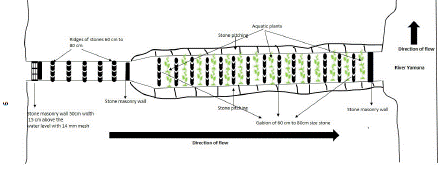
The EC cleared a novel, environment-friendly project for pollution reduction in the following selected major drains at Shastri Park, Gaushala, and Kailash Nagar/Ramesh Nagar catching Yamuna River. In this project, rather than resting solely on big treatment plants, sewage at the drain itself is to be treated before releasing into the river using Nature-Based Solution.
The methods involve rock filters, stone masonry structures, and aquatic plants that clean the water through a process of filtering off the pollutants and breaking down the waste. Treatment at the site reduces pollution from Yamuna, supports rejuvenation, and offers sustainable, cost-effective alternatives to manage sewage in urban drains.
This initiative focuses on restoring and protecting the cultural, spiritual, and natural importance of the Gomti River's origin at Pilibhit in Uttar Pradesh. A detailed master plan has been designed to bring back the river's natural purity while strengthening the cultural identity of the same. The plan covers enhancing basic infrastructure while treating the catchment area surrounding it, reviving natural sources of water flow, and using nature-based interventions to treat sewage coming from nearby Madho Tanda town so as not to harm the river due to pollution.
It also includes development of ghats and aarti platforms, rejuvenation of lakes, and conservation of turtle habitats. Facilities such as a crematorium, Panchvatika and yoga mandap will further enhance the site’s spiritual and cultural significance. Through these approvals, the EC has paved the way for strengthening NMCG’s resolve for conservation of river related biodiversity, mainstreaming of Nature based Solutions, strengthening cultural connect to river and facilitating prompt execution of projects crucial for the rejuvenation of the Ganga.
What's Your Reaction?