The PM Surya Ghar Muft Bijli Yojana is driving rooftop solar adoption in India, with subsidies, improved electricity access, and economic benefits shaping the country’s clean energy transition.
The central government's rooftop solar scheme, PM Surya Ghar: Muft Bijli Yojana, is promoting clean energy consumption at the household level, with government officials citing its benefits for electricity supply, rural economies, and electricity prices. Launched in February 2024, the scheme involves installing solar panels on one crore homes, which will reduce reliance on traditional energy.
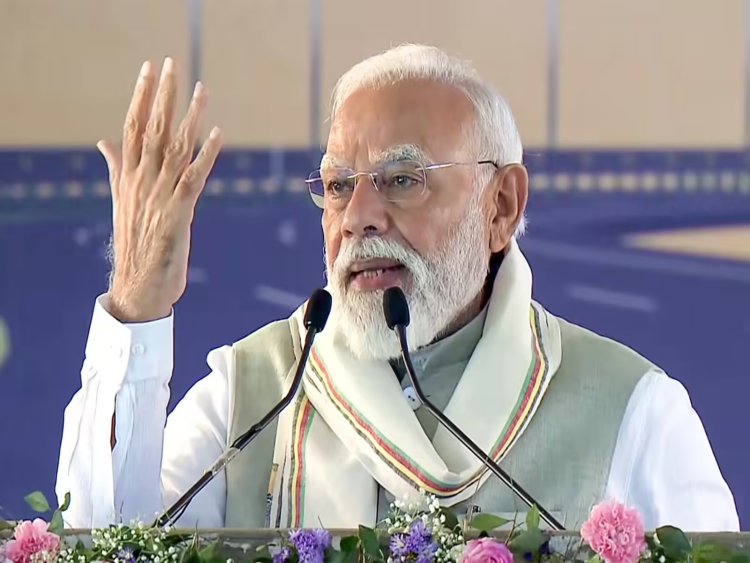
Prime Minister Narendra Modi recently cited instances from different states to illustrate the benefits of this scheme. In Jaipur, a farmer switched from diesel-powered equipment to solar-powered equipment, reducing his fuel costs and increasing his farm productivity.
In other areas, such as in the tribal regions of Tripura, improved electricity supply has resulted in a significant change in lifestyle. Households, which were earlier not getting an electricity supply, are now using electricity for lighting and other electrical appliances.
According to the government, this has resulted in increased hours of studies for school-going children and increased communication through mobile phones, as people are charging their phones using this electricity supply.
The programme offers subsidies of up to 40 per cent on rooftop solar installations, which reduces the cost for the people. The programme also aims to reduce the cost of electricity and promote decentralised electricity generation.
The policy aims set out the economic aspect. The programme aims not only to increase renewable energy but also to create employment opportunities in the process. The programme also reduces the strain on the electricity infrastructure, especially in areas where the demand for electricity is on the rise.
According to reports, the programme is gaining traction, with millions of households adopting the rooftop solar programme.
The programme is part of the government’s initiative to promote renewable energy in the country. The programme aims to promote rooftop solar as part of the renewable energy mix in the country. The programme aims to help the government attain its clean energy policy while also helping people save on electricity costs.
Though there are improvements in accessibility and cost benefits, there are challenges in implementing this, such as scaling up these installations to meet the required targets.
The progress of this scheme reflects a change in energy systems, with rooftop solar being a key aspect of this change in India.
What's Your Reaction?