


PMO directs CAQM and CPCB to fast-track new air-pollution studies to replace outdated data.
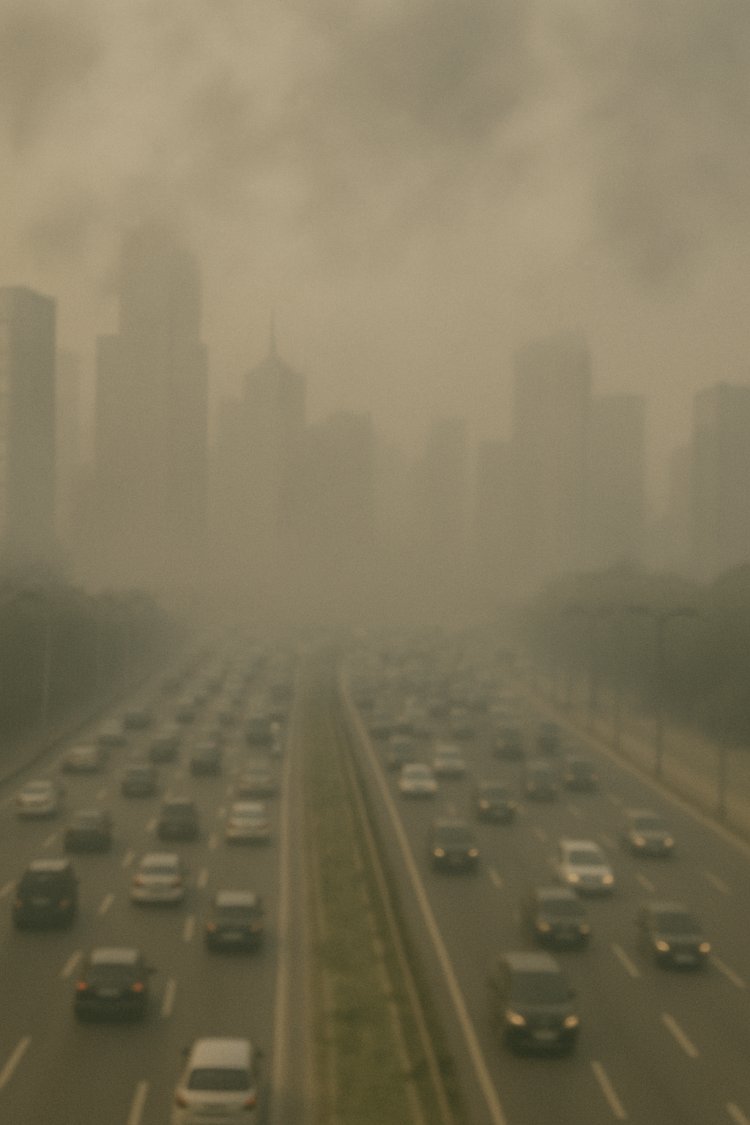
The Prime Minister’s Office has stepped in and asked the Commission for Air Quality Management (CAQM) and Central Pollution Control Board (CPCB) to speed up their new air-pollution studies, according to the leading media. These instructions were given during a high-level meeting on October 23, led by the Prime Minister’s Principal Secretary, PK Mishra. Senior officials from at least eight central ministries including environment, power, housing and agriculture, and the Chief Secretaries of Delhi, Rajasthan, Haryana, Punjab and Uttar Pradesh were also present.
Why New Studies Are Important
The study of new air pollution is important because pollution keeps on changing every year due to change in weather pattern, crop burning trends, construction, traffic, and even new technologies all affect how much pollution is in the air. So, if the government uses old data, it won’t understand the cause behind the pollution today and make take wrong decisions.
Fresh studies are needed to:
1. Identify current pollution sources
Old studies may no longer reflect today’s dominant sources.
For example, emissions from vehicles, industry, waste burning, crop residue burning, and dust change every year. Updated studies help show which sources are rising and which ones are declining.
For example, emissions from vehicles, industry, waste burning, crop residue burning, and dust change every year. Updated studies help show which sources are rising and which ones are declining.
2. Improve policy decisions
Policies made on outdated information often fail.
To design effective rules like GRAP actions, industrial restrictions, or stubble-burning prevention the government needs accurate and recent data, not data from years earlier.
To design effective rules like GRAP actions, industrial restrictions, or stubble-burning prevention the government needs accurate and recent data, not data from years earlier.
3. Track the impact of existing measures
The government has introduced many actions (GRAP 1–4, smog towers, electric buses, stricter norms for industries, waste-management systems).
New studies show whether these efforts are working or not, partially effective, or failing to reduce pollution or not. Without updated research, policymakers can’t measure progress.
New studies show whether these efforts are working or not, partially effective, or failing to reduce pollution or not. Without updated research, policymakers can’t measure progress.
4. Predict future pollution trends
Air quality depends heavily on weather patterns, wind direction, rainfall, and winter inversions.
Updated scientific studies help predict when pollution may worsen, which areas will be most affected, and how early actions can prevent emergencies.
Updated scientific studies help predict when pollution may worsen, which areas will be most affected, and how early actions can prevent emergencies.
5. Strengthen health risk assessments
Pollution impacts public health especially lungs, heart, and children’s growth.
Updated studies help understand current health risks, not past ones. This is vital for hospitals preparing for pollution-related illnesses, public advisories and long-term health planning.
Updated studies help understand current health risks, not past ones. This is vital for hospitals preparing for pollution-related illnesses, public advisories and long-term health planning.
6. Ensure international credibility
India reports air-quality data to global bodies like WHO, World Bank, and climate forums. Outdated studies weaken credibility and affect India’s standing in global climate reports, green financing and environmental negotiations.
7. Guide investments in cleaner technologies
New research helps identify where funds should go electric mobility, industrial upgrades, road dust management, better waste systems and renewable energy adoption. Without updated data, investments may go to the wrong areas.
Prediction Errors Spotted
A recent study by the Council on Energy, Environment and Water (CEEW) found that Delhi’s air-pollution forecasting system is giving wrong predictions because it uses old pollution data. According to the study, the system shows PM2.5 levels 30–35% lower than the actual numbers. For example, if the real level of PM2.5 is 100, this system only displays around 65. That signifies that the system is greatly underestimating pollution.
An emissions inventory is basically a database that keeps track of the quantity of pollution coming from various sources like vehicles, industries, dust, waste burning, or farm stubble over a year or specific period. These inventories help governments to comprehend which sources cause the most pollution, hence, deciding where to act; plan rules and policies; and predict how air quality might change in the future.
The predictions go wrong when the data in inventory becomes outdated. The government may take decisions based on this faulty information, which weakens pollution control efforts.
What's Your Reaction?











Leave a Comment







