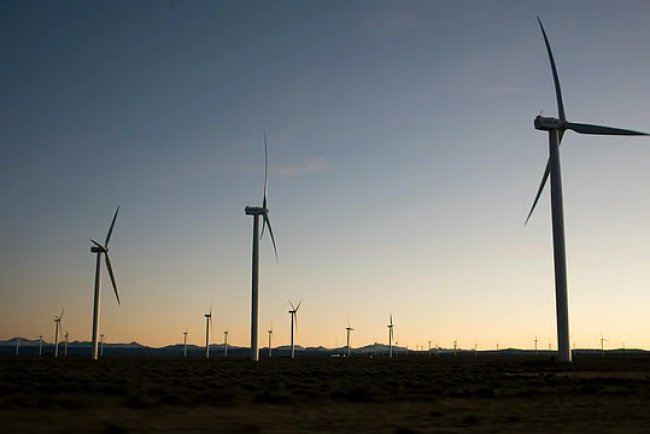
Radiant, a clean energy startup, secured $165 million to develop Kaleidos—portable nuclear reactors delivering 1 MW power each to replace diesel generators. Designed for remote locations, military bases, and industries, these compact reactors feature advanced safety and passive cooling. Radiant plans initial deployment by 2028 in North America and Asia, targeting a 1.5 million tonne annual CO2 reduction. While promising cost savings and environmental benefits, the project faces regulatory and public perception hurdles. With plans to scale production to 1,000 units annually by 2035, Radiant aims to provide reliable, clean power, supporting global decarbonization and energy equity.Radiant raises $165 million to develop portable 1 MW nuclear reactors, aiming to replace diesel generators in remote and industrial sites with zero-emission power, advancing global clean energy.
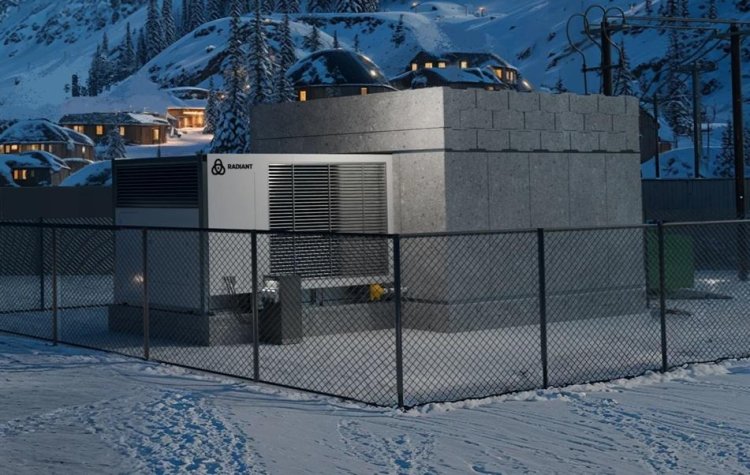
Radiant, a clean energy startup, has raised $165 million to develop portable nuclear reactors to replace diesel generators. These reactors aim to provide zero-emission power for remote and industrial sites. This article examines the technology, its applications, and its role in sustainable energy.
Radiant’s portable nuclear reactors, known as Kaleidos, are designed to deliver 1 MW of power, replacing diesel generators used in remote locations, military bases, and industrial facilities. Each reactor, small enough to fit in a shipping container, uses advanced nuclear technology with enhanced safety features, including passive cooling systems.
The $165 million funding, led by venture capital firms, will support reactor development, testing, and regulatory approvals. Radiant aims to deploy its first units by 2028, targeting markets in North America and Asia. The reactors will provide reliable, 24/7 power, reducing CO2 emissions by 1.5 million tonnes annually compared to diesel.
Economic benefits include cost savings. Diesel generators, widely used in off-grid areas, have high fuel and maintenance costs. Radiant’s reactors, with lower operating costs, offer long-term savings. The project will create jobs in engineering, manufacturing, and deployment, supporting local economies.
Environmental impacts are significant. Diesel generators emit 2.7 kg of CO2 per liter of fuel, contributing to air pollution and climate change. Radiant’s reactors produce no emissions during operation, aligning with net-zero goals. Their small footprint minimizes land use, preserving ecosystems.
Challenges include regulatory hurdles and public perception. Nuclear energy faces strict safety and waste management regulations, varying by country. Public concerns about nuclear risks, despite advancements in safety, require transparent communication. Radiant is engaging with regulators and communities to build trust.
The technology’s global context is notable. Similar initiatives, like Fervo Energy’s $255 million geothermal project, highlight the growing demand for clean, reliable power. Radiant’s reactors could support developing nations with limited grid access, enhancing energy equity. International partnerships will aid regulatory alignment.
Scalability is critical. Radiant plans to produce 1,000 units annually by 2035, requiring streamlined manufacturing. Monitoring systems will track reactor performance and safety, ensuring compliance. Partnerships with nuclear research institutes will drive technological improvements.
Community engagement includes outreach to remote communities and industries. Training programs will prepare workers for reactor operation and maintenance. Public education campaigns will address safety concerns, emphasizing the technology’s benefits over diesel.
Conclusion
Radiant’s $165 million funding for portable nuclear reactors offers a promising solution to replace diesel generators. By addressing regulatory and public perception challenges, it supports global decarbonization efforts. Continued innovation and engagement will ensure its success, advancing clean energy access worldwide.
Source:ESGtoday
What's Your Reaction?