Rain Energy Breakthrough Could Power Homes Using Rooftop Systems
Researchers in Singapore have developed an energy-harvesting system that generates electricity from falling rain using vertical tubes. The method is highly efficient, simple, and could be integrated into rooftops or rain gutters, offering a renewable power source during wet weather.
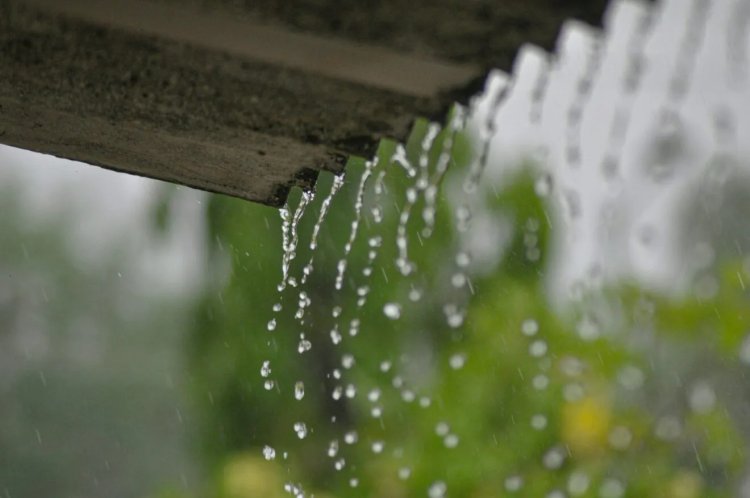
Researchers at the National University of Singapore have created a new technique to harness electricity from raindrops falling, which can change the way renewable energy is harnessed on rainy days. Employing a vertical pipe system, researchers demonstrated that rainwater could be used to power LED lights—demonstrating the potential to harness energy from rain.
The technology works by a process called charge separation, which happens when water droplets are forced through 12-inch vertical tubes that are very thin. When the droplets pass electrically conductive surfaces within the tubes, the droplets accumulate electric charges. The positive charges stay with the water but the negative charges find their way to the surface, just like in static electricity. The basic physical reaction is being tapped to produce useful energy.
Unlike conventional hydropower that involves the use of massive turbines, the new process harnesses gravity and natural rainfall flows. Drops are expelled from a metal needle and drop into tubes below. Upon hitting at the top, they create air pockets and flow in a discontinuous pattern called "plug flow," which enhances charge separation efficiency. Wires placed on either side of tubes capture the generated electricity.
In initial experiments, a single tube produced 440 microwatts of electricity. Wired in fours together, they could power as much electricity to light up 12 LED bulbs for 20 seconds. Although small, the system is more than 10% efficient at capturing falling water energy—approximately 100,000 times more electricity than would be generated with a constant stream of water flowing through the same tubes.
That efficiency, and the simplicity of the design, have drawn interest in what its uses could be. Scientists feel that such a system can be used on home infrastructure, like rain gutters or roofs. Rain comes from high distances, and by utilizing vertical distance more efficiently, homes located in high-rainfall regions could utilize this process as a source of secondary power for rainy days.
Lead researcher Siowling Soh pointed to the vast latent power of space in the vertical axis, with rain dropping from kilometres above the ground. This energy is often lost with no means of harvesting it. The system takes advantage of gravity and the inherent free fall of the raindrops to avoid the inefficiencies of other methods that employed pumped water requiring more energy than they produced.
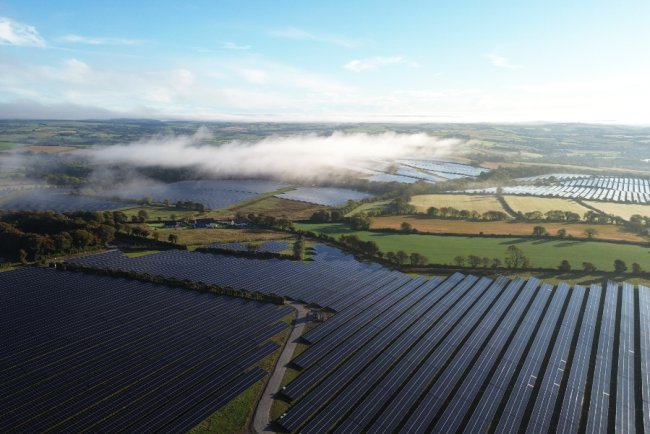
Renewable energy experts, like Shannon Ames of the Low Impact Hydropower Institute, see vast potential for uses at the home level. Home owners can couple rain energy systems with existing solar panels to make houses more autarkic, especially during rainy or cloudy conditions when solar production is low.
The team is currently scaling the system up and improving its efficiency. In the future, plans include testing with different materials for tubes as well as tube dimensions to enhance performance. Scientists also intend to come up with energy storage methods so that the electricity gets stored and can be used at the needed time instead of just during rain times.
This technology is solar power system-compatible and presents a viable alternative to sustainable living, particularly in areas experiencing frequent rainfall. Integration into current rainwater drainage would make the conversion feasible and affordable for home consumers.
Though there are still challenges—primarily in scale and storage capacity—this breakthrough is a major step toward a multipurpose renewable future. Being able to generate electricity from a natural and stable source such as rain makes the energy grid stronger and brings the dream of self-powering homes within sights.
Source:
Jamie D'Souza, Thu 17 Jul 2025. Photo: Unsplash © 2025
What's Your Reaction?