Meghalaya plans to power more than 2,000 schools with solar energy, improving electricity access for students while advancing the state's renewable energy and sustainability goals.
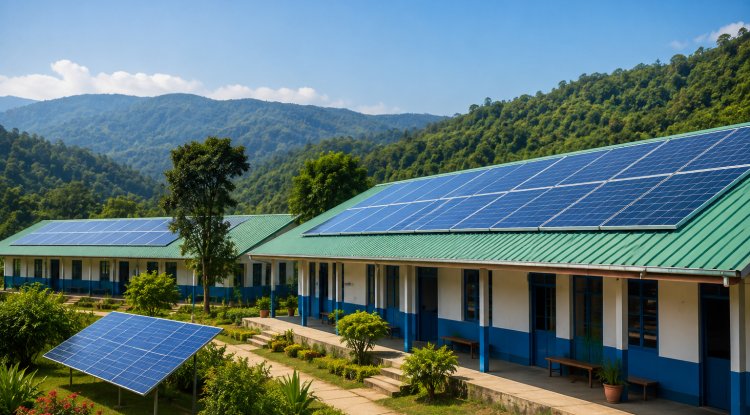
Over 2,000 schools will get their power from solar energy as the Meghalaya government takes up the use of renewable energy sources for its educational facilities. According to Chief Minister Conrad K. Sangma, the new move will ensure that electricity becomes more available to educational institutions in the state.
The project is likely to benefit schools which are located in both urban and remote areas, where access to electricity may not always be regular. The use of solar panels by schools will enable them to rely less on the traditional grid system and thereby enjoy continuous access to electricity.
The initiative is included in the overall scheme of the Meghalaya government to strengthen renewable and improve public infrastructure. There has been a consistent trend on the part of the Meghalaya government to invest in solar energy in various buildings and other establishments.
Officials said the decision will help enhance the learning experience of the learners because of the reliable power supply. Electricity supply can be helpful in enhancing the usage of modern digital learning methods in the classroom, especially in the places that have been struggling with infrastructural problems in education.
In addition to helping improve facilities used for education, the project will also have an impact on meeting the environmental objectives since the use of fossil fuels for generating power will be reduced. Solar power will assist in cutting down carbon emission levels and energy bills.
The initiative reflects a growing trend across India, where schools and public institutions are increasingly adopting renewable energy solutions. As states work towards cleaner energy systems and climate goals, solar-powered schools are emerging as an important step in combining educational development with sustainability.
The introduction of the initiative will happen in a phased manner as per the plan by the state authorities, with an aim of benefiting thousands of students and academic institutions through renewable energy. This will help increase energy access and enhance climate resilience in addition to promoting sustainable development in the state.
What's Your Reaction?