


Global electricity is set to be led by renewables by 2026, with wind and solar driving most demand growth. Coal’s share declines as clean energy rises, aided by nuclear and gas.
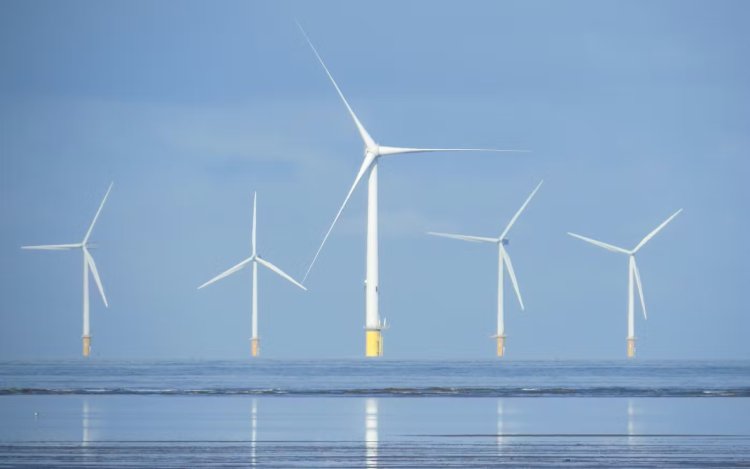
Renewable energy is poised to be the top energy source worldwide by 2026, surpassing coal for the first time in contemporary history. The International Energy Agency (IEA) recently predicted that this event will be a turning point in the world's shift to renewable energy. A major rise in wind and solar energy production is fueling the rise as they jointly support most of the growth in world electricity consumption.
The change is part of a bigger change in the way the world gets its electricity, with clean energy becoming more and more important. The total electricity produced by wind and solar in 2024 exceeded 4,000 terawatt hours (TWh) and is predicted to surpass 6,000 TWh by 2026. By that time, renewables will be able to provide about 36% of the worlds electricity, compared to coal's 32%, which is its lowest share in more than a century.
The IEA study emphasizes that policy support, declining costs, and rising demand for cleaner energy also contribute to the growth of renewables in addition to technology innovations. Renewables are still growing quickly even if they are being opposed in some countries, including by populist leaders and some political parties. Together, solar and wind are projected to cover over 90% of the rise in world electricity consumption by 2026, therefore underlining their key relevance in determining the direction of energy.
This change is happening even though the world's demand for electricity is going up faster than it ever has before. Demand is forecast to increase by 3.3% in 2025 and 3.7% in 2026, much beyond the 2.6% average recorded between 2015 and 2023. Rising air conditioning needs, more household usage of electrical equipment, more industrial activity, growth of data centres, and continuous electrification of heating and transportation systems all contribute to the increase in consumption.
Apart from solar and wind, hydro, bioenergy, and geothermal among other renewable sources are helping to drive the change. Though hydro electricity development is projected to be more limited, it is still a key component of the renewables mix. Together, these sources are expected to surpass coal as the main source of world electricity.
Gains in other low-carbon energy technologies reinforce the shift. Driven by several major events, nuclear energy is expected to reach all-time highs in 2026. These include India, South Korea, and China, new reactor commissioning in nations including Japan, plant restarts, strong results in France and the United States.
Natural gas production is likewise forecast to grow somewhat over the following two years, averaging 1.3% yearly. Although gas is still a fossil fuel, it is sometimes regarded as a transitional fuel since, when burned, it generates less carbon dioxide than coal. Rising coal-to-gas switching with renewable energy will help to lower emissions in the power industry worldwide, according to the IEA.
Once the mainstay of the world's electricity supply, coal-fired power generation is expected to fall. This is mostly because China and the European Union have cut down on how much coal they use, but this is only partially made up for by the fact that the United States, India, and some other Asian countries are using more coal. The IEA observes that ongoing investment in renewables, policy pressure, and rising availability of cleaner alternatives is hastening the decline in coal's proportion of world electricity output.
According to IEAs statistics, the long-term expansion of wind and solar is among the most clear trends. From only 1% in 2005 to 15% in 2024, their combined share of world power output has increased and is expected to reach almost 20% by 2026. This expansion highlights how much clean energy has advanced in only two decades and how it is projected to remain a major contributor to the world's energy mix.
Depending on the weather, especially the performance of hydro and wind power in various locations, the IEA estimates that renewables may even overtake coal even earlier than 2026. But even in a worse case, the change is expected to be done by 2026 at the most.
These developments represent a clear global trend away from the decarbonisation of the power sector. With the increased use of clean technologies and less dependency on fossil fuels, the decarbonisation of the electricity sector is expected to set the pace for the rest of the economy in terms of a transition towards a low- carbon future. Maintaining this transition sustainably will take time, investment, political will, and attention to energy equity and access - and we certainly don’t want to leave anyone behind, especially as developing countries continue to increase their energy demands.
As the energy mix continues to change, the next few years will be critical for governments to find their balance between growth, emissions, and energy security. The IEA's modelling presents a cautiously optimistic vision of the global energy future, a sufficiently cautious and realistic one, wherein clean technologies and renewables are not just contributing to the electricity generation mix but leading the transition of the world’s electricity generation.
What's Your Reaction?

















