Rewilding Project Targets Three New Zealand Islands to Restore Native Wildlife
New Zealand is restoring Maukahuka, Rakiura, and Chatham Islands by removing invasive species and reintroducing native wildlife under the Island-Ocean Connection Challenge. The NZ$202 million rewilding effort involves local communities and global conservation partners to rebuild ecosystems by 2030.
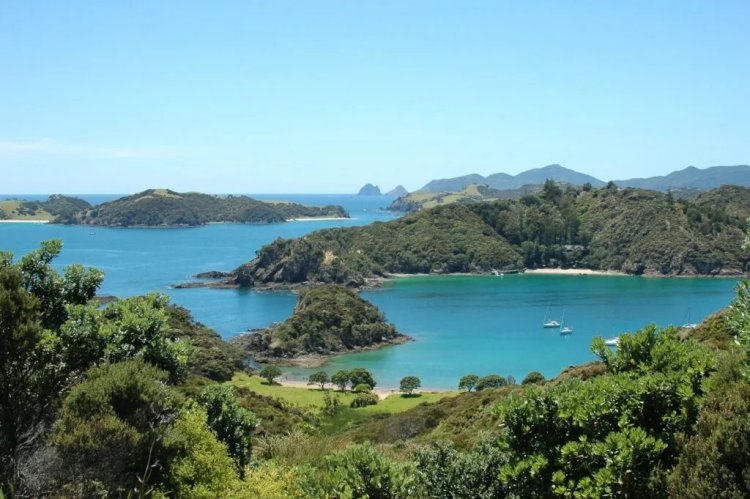
New Zealand is embarking on a ambitious conservation initiative to rewild three isolated islands—Maukahuka (Auckland Island), Rakiura (Stewart Island), and Chatham Island. It is part of the global Island-Ocean Connection Challenge (IOCC) initiative, which aims to restore 40 target island ecosystems around the world by 2030. The project is based on the removal of introduced predators and reintroduction with native plant and animal species to these distinctive environments.
The rewilding project is the most ambitious and most extensive ecological restoration ever undertaken in New Zealand. The islands, being some of New Zealand's largest, are difficult due to their harsh climate, remoteness, and the existence of permanent human settlements on Rakiura and Chatham. Introduced predators like rats, feral cats, pigs, and possums have had devastating effects on native species, some of which no longer exist. The objective of the program is to remove these risks and enable ecosystems to regenerate spontaneously.
It is under management by New Zealand's Department of Conservation (DOC) together with Island Conservation, Re:wild, the Scripps Institution of Oceanography at UC San Diego, and local Indigenous communities. The project will cost about NZ$202 million, with the government contributing NZ$54 million, while the rest is to be provided by conservation groups and individuals via the New Zealand Nature Fund.
Every island chosen for rewilding has a vital role to play in the nation's nature network. Maukahuka, a UNESCO World Heritage Site, harbored 32 native bird species. It still offers habitat for endangered species like the Gibson's albatross, New Zealand sea lion, and yellow-eyed penguin. Rakiura has a population of brown kiwi and is also a possible site for the reintroduction of the kākāpō parrot when pest control is finished. Chatham Island holds more than 300 species classified as threatened or vulnerable.
Invasive animals were brought in during the last two centuries and have led to enormous environmental deterioration. Rats kill birds' eggs and chicks, possums destroy plants, and feral cats destroy threatened species. Pest control by eliminating such animals is an initial step towards the recovery process.
To achieve its goals, the DOC will be using the latest conservation tools. They are trail cameras to track pests, artificial intelligence to analyze camera data, conservation dogs that can track animals, and a vast network of watching and trapping gear. It will be a process that takes several years, with extended viewing required before islands are designated as pest-free.
The contribution to the environment should be substantial. The removal of invasive species enhances land health and grows marine ecosystems. Populations of seabirds, when restored, can grow fish biomass and aid in recovery for coral reefs. Their guano enables nutrients to be transported from land to sea and enhances food systems and biodiversity.
There are also economic gains. Increased healthy ecosystems could mean increased ecotourism, employment, and economic gain for local communities. The project is not just about preserving biodiversity but is also about the inclusion of local communities. Māori and Moriori communities are taking an active role in designing and carrying out the rewilding to ensure that the work is done in a respectful manner relative to cultural ties to the land.
Climate dividends constitute a second element of the project. Indigenous forests retain more carbon, defensive against climate change. Striking a balance between healing nature and humanity's needs, the programme will also be anticipated to create training and employment in conservation.
If implemented timely, the rewilding of these three islands can serve as a template for other projects across the globe. Although New Zealand has always been famous for having managed to conserve its islands in the past, this undertaking is unique because of its scope and magnitude. It presents a model for the conservation of threatened species, the healing of harmed ecosystems, and marine and terrestrial well-being.
Source:
Originally published by Mongabay, 21 July 2025. Junior Brown.
What's Your Reaction?