Samsung, LG Sue Indian Government Over E-Waste Recycling Rules Amid Cost Concerns
Samsung and LG have filed lawsuits against the Indian government over new e-waste recycling rules that mandate fixed payments to recyclers. The companies argue the policy significantly raises costs and affects business operations.Samsung and LG challenge India's e-waste recycling rules in Delhi High Court, claiming the new policy inflates costs and undermines manufacturers. The case highlights the tension between environmental goals and business impact.
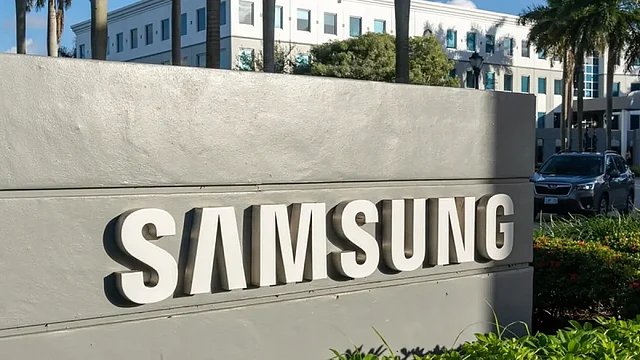
South Korean electronics giants Samsung and LG have filed lawsuits against the Indian government, challenging new rules mandating higher payments for e-waste recycling. The companies argue that the revised regulations, which introduce a fixed minimum payment for recyclers, significantly increase operational costs and place an undue financial burden on manufacturers.
The Delhi High Court is scheduled to hear the cases on April 22. The legal challenge comes amid increasing resistance from global electronics firms operating in India against stricter environmental policies aimed at formalizing and expanding the country’s e-waste recycling sector.
Industry Opposition to Revised E-Waste Policy
India recently implemented new e-waste management guidelines that require electronics manufacturers to pay a minimum of ₹22 (approximately $0.25) per kilogram for the recycling of consumer electronics. The government argues that the measure will incentivize formal recyclers, encourage greater investment in the sector, and reduce dependence on the informal recycling chain, which is often unregulated and environmentally hazardous.
However, major electronics brands, including Samsung and LG, have pushed back strongly. In their court filings, the companies claim the policy will nearly triple their recycling expenses. They also argue that the fixed pricing model disregards market realities and fails to address enforcement issues in the informal sector, which continues to dominate India’s recycling landscape.
India is currently the world’s third-largest generator of e-waste, trailing only China and the United States, according to the Global E-Waste Monitor 2020. Despite this, only 43% of the country’s e-waste was formally recycled last year. A significant portion of recycling continues to be managed by informal scrap dealers, who often lack proper safety and environmental safeguards.
The government’s revised policy aims to formalize the sector by guaranteeing minimum payments to recyclers, thereby making the business more viable for licensed facilities. This, in turn, is expected to improve tracking, reporting, and processing of e-waste in a more environmentally responsible manner.
Business Impact and Legal Standpoint
Samsung and LG argue that while environmental regulation is necessary, the new pricing mechanism fails to address structural issues within the sector. Instead of boosting overall recycling efficiency, they believe the new rules disproportionately impact manufacturers without effectively solving the core problems of informality and enforcement.
According to court documents filed by LG, the regulation relies too heavily on the ‘polluter pays principle’ without building adequate enforcement mechanisms or incentivizing compliance in the informal sector. The companies argue that true reform should focus on systemic improvements, not just cost redistribution.
The Indian government maintains that formalizing the sector through mandated payments will help integrate informal players, create jobs, and reduce environmental harm. However, manufacturers are concerned that rising compliance costs will affect their competitiveness and force increased pricing for end consumers.
The outcome of this case could have broad implications for how India balances industrial growth with environmental responsibility. It could also set a precedent for how foreign companies operating in India are expected to comply with sustainability mandates going forward.
Conclusion
As the legal battle unfolds, the case underscores a larger conflict between environmental policy implementation and industry cost concerns. India’s push to improve its e-waste recycling record is seen as essential, given its growing electronics consumption and environmental footprint. However, achieving that goal while maintaining business confidence and investment will require a balanced, collaborative approach between regulators and stakeholders.
The Delhi High Court’s upcoming decision will be closely watched by industry players and environmental experts alike, as it may shape the future of electronic waste policy enforcement and compliance in India.
Source: Reuters, Outlook Planet Desk
What's Your Reaction?